

Your Custom Text Here
Joseph Grigely
Monologue of A Deaf Man
September 12th - October 24th 2026
—————
But did the brushless fox die of eloquence?
No, but talked himself, it seems, into a tale.
The injury, dominated, is an asset;
It is there for domination, that is all.
Else what must faith do deserted by mountains?
—David Wright, "Monologue of a Deaf Man" in Monologue of a Deaf Man, 1958
We make reports for a space.
It rains: we are sad. The sun
Shines: we are happy. Some
Times we shut down: get drunk.
— David Wright, "Nerve Ends" in Nerve Ends, 1969
To get back to art. Panegyric, it celebrates
The existence of things. Remember Helen Keller
Living in a mute vague, an environment of touch,
Texture transfigured into sound, smell into colour;
Who from a disablement of perception created
Forms of the real, images valid and strange,
Interpreters of void and of silence, hinges
Between what was and what seemed.
— David Wright, "On the Margin" in Nerve Ends, 1969
About deafness I know everything and nothing....
If vocation means anything, I suppose myself a poet.
Whether I am that is disputable, but the deafness remains a fact.
— David Wright, Deafness: A Personal Account, 1969
—————
Exhibition Image Descriptions
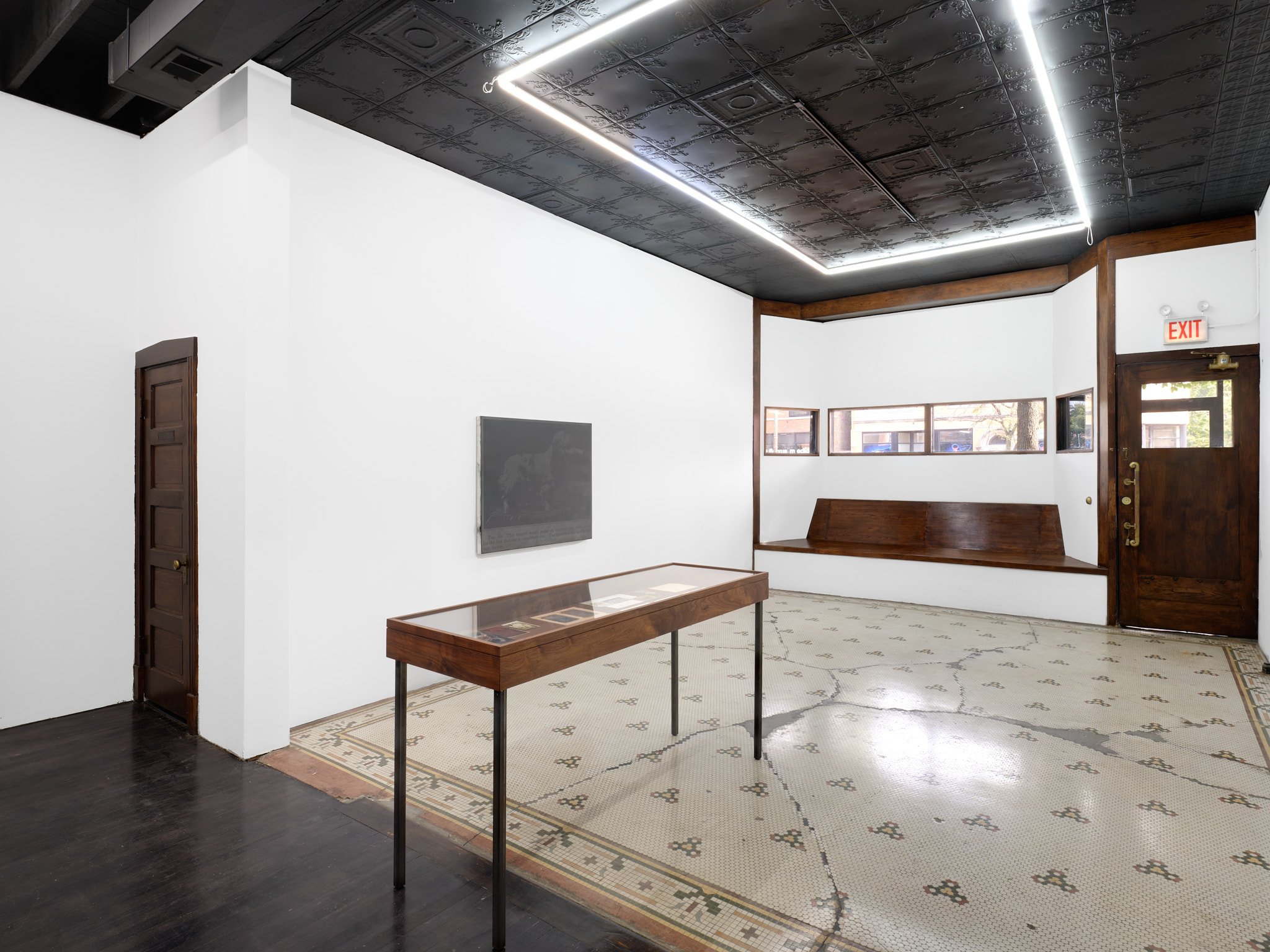
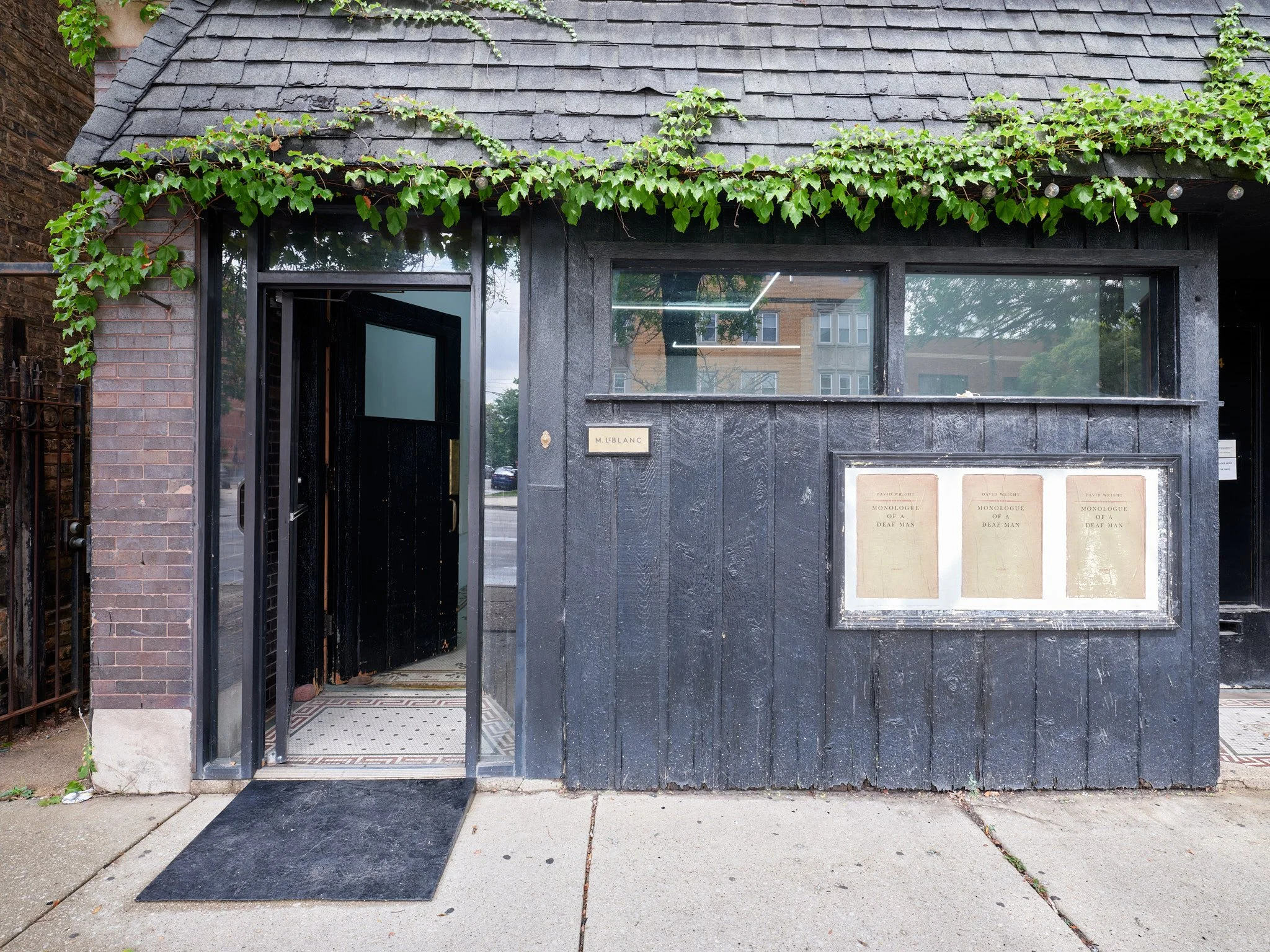
M. LeBlanc is proud to present Monologue of a Deaf Man, the gallery’s first exhibition with Chicago artist Joseph Grigely, and his first solo gallery show in Chicago since 2004. Grigely's exhibition consists of two bodies of work separated by the space of over 30 years: early dispersion paintings from the late 1980s and more recent conceptual work related to the politics of disability and difference.
The framework for Grigely's thinking about working as a deaf artist was mapped by the deaf South African poet David Wright, who Grigely met while at Oxford in the early 1980s. At this time Wright had an international reputation as poet, essayist, anthologist, and translator, however largely kept to himself, rarely appearing in the public (he did not know sign language, which was forbidden in British schools where he studied). Grigely persuaded Wright to revisit Oxford for a poetry reading alongside the Deaf poet Dorothy Miles, who was born in Wales, educated in America, and had been a member of the National Theatre of the Deaf. The event stayed with Grigely as a profound realization that there are different ways of being deaf, and different ways of making art out of these experiences.
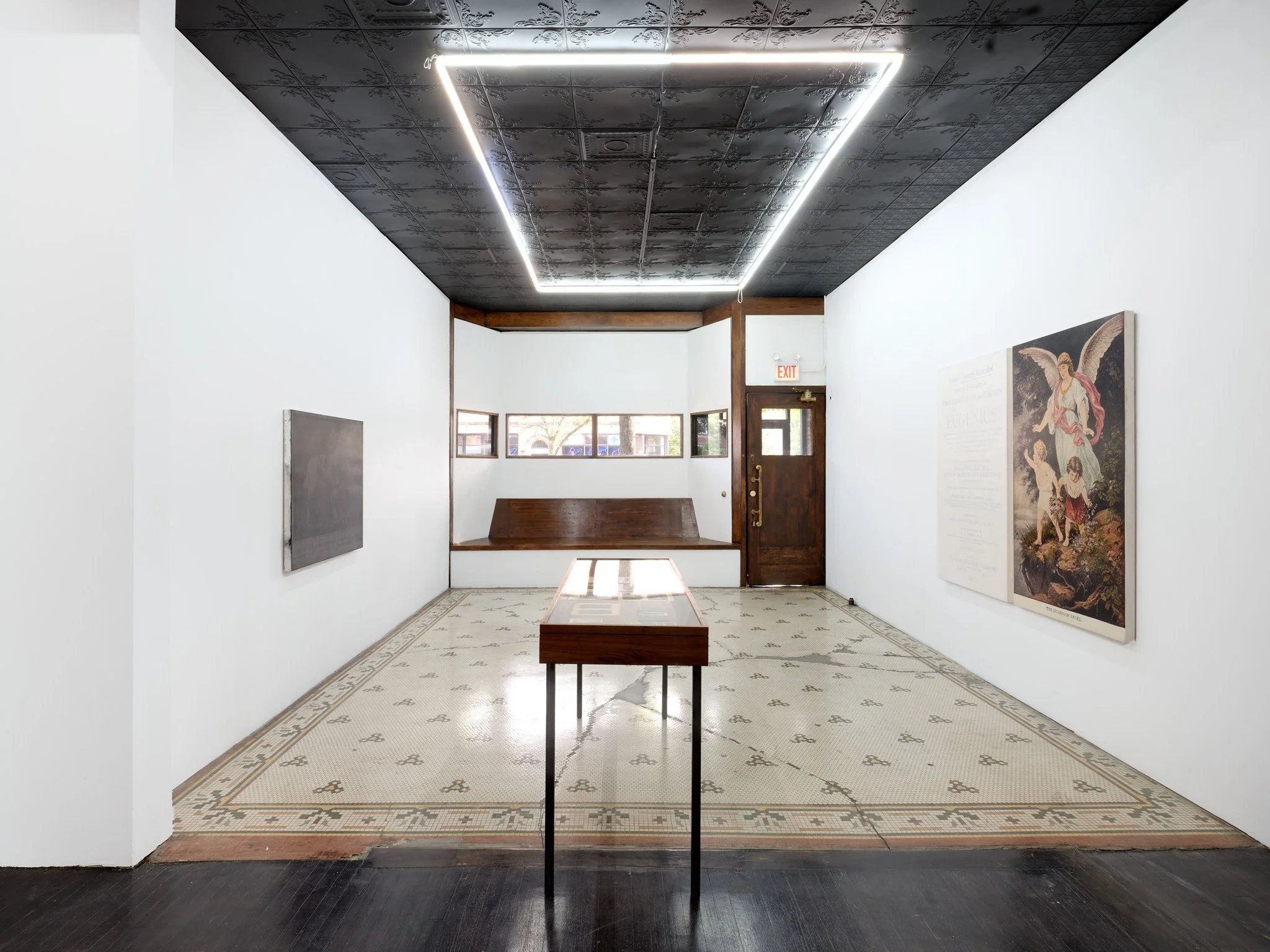
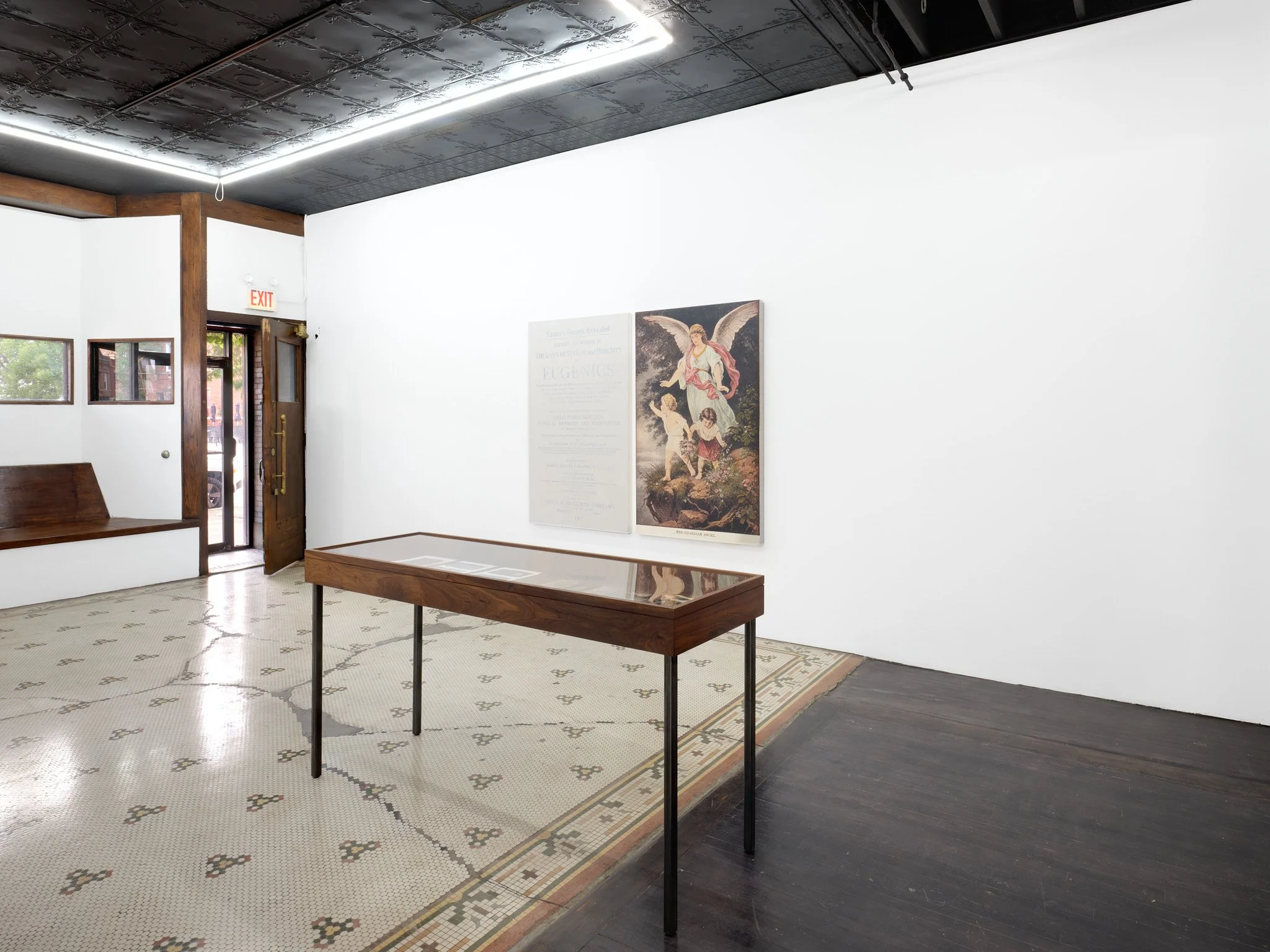
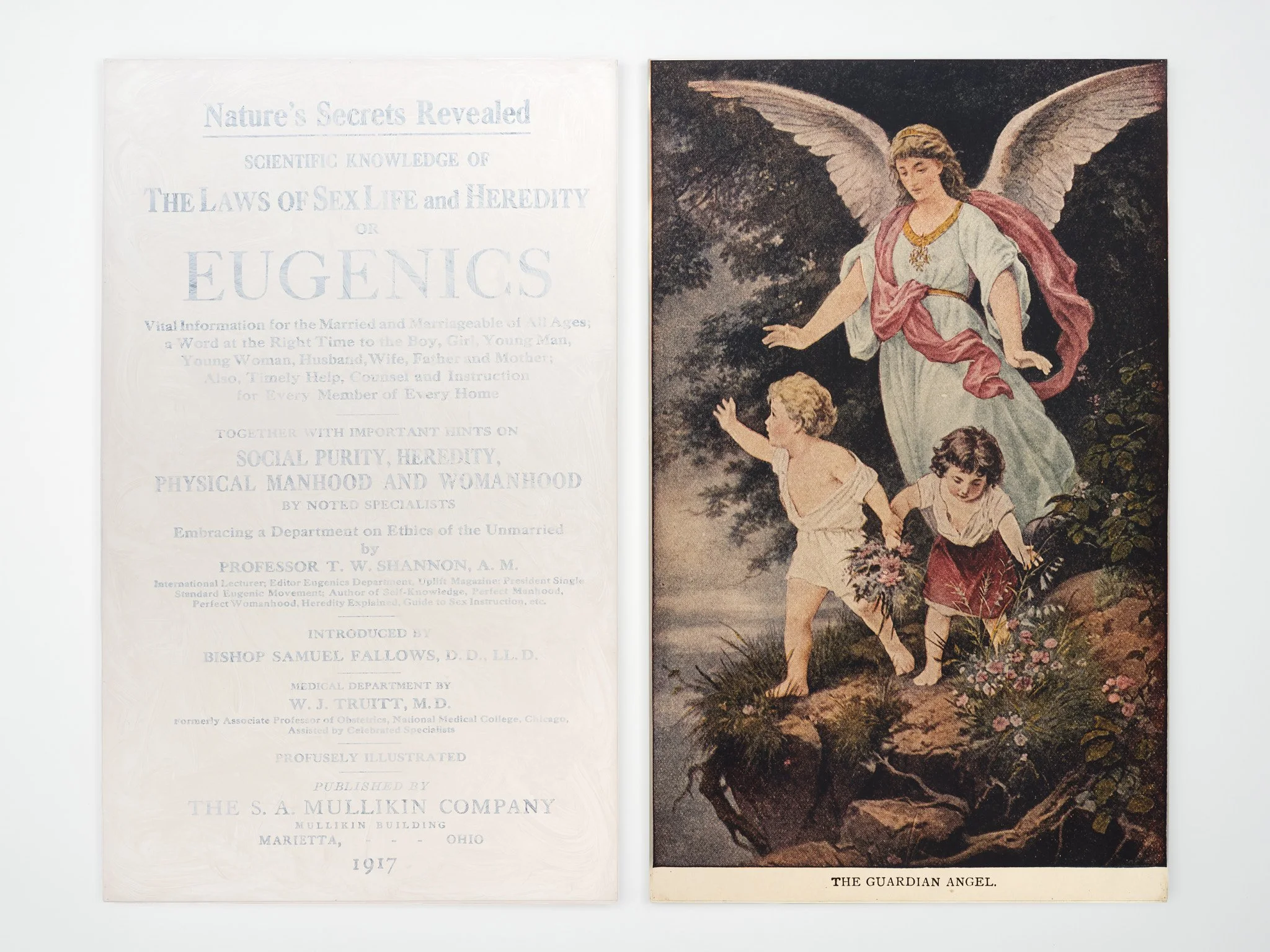
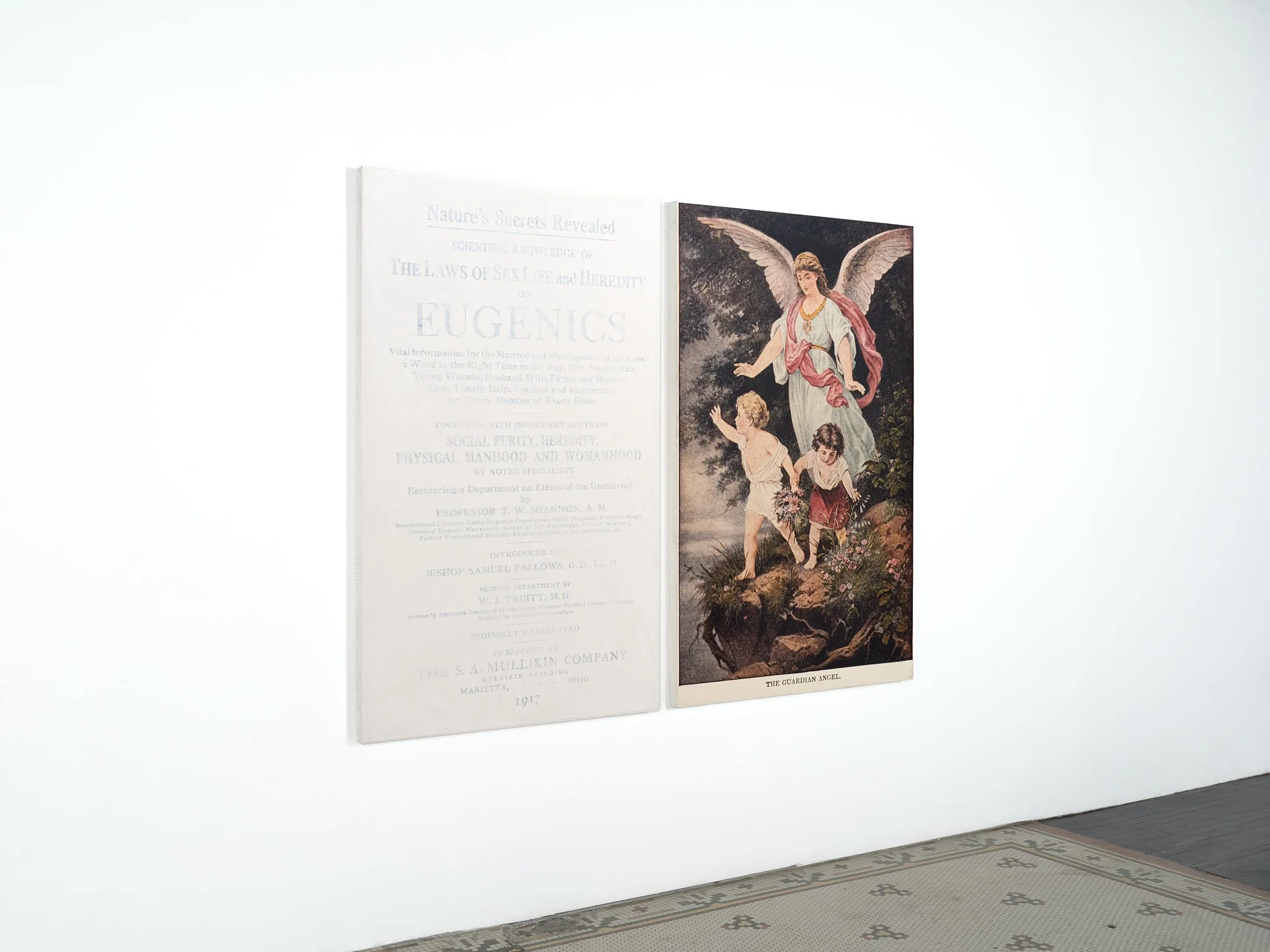
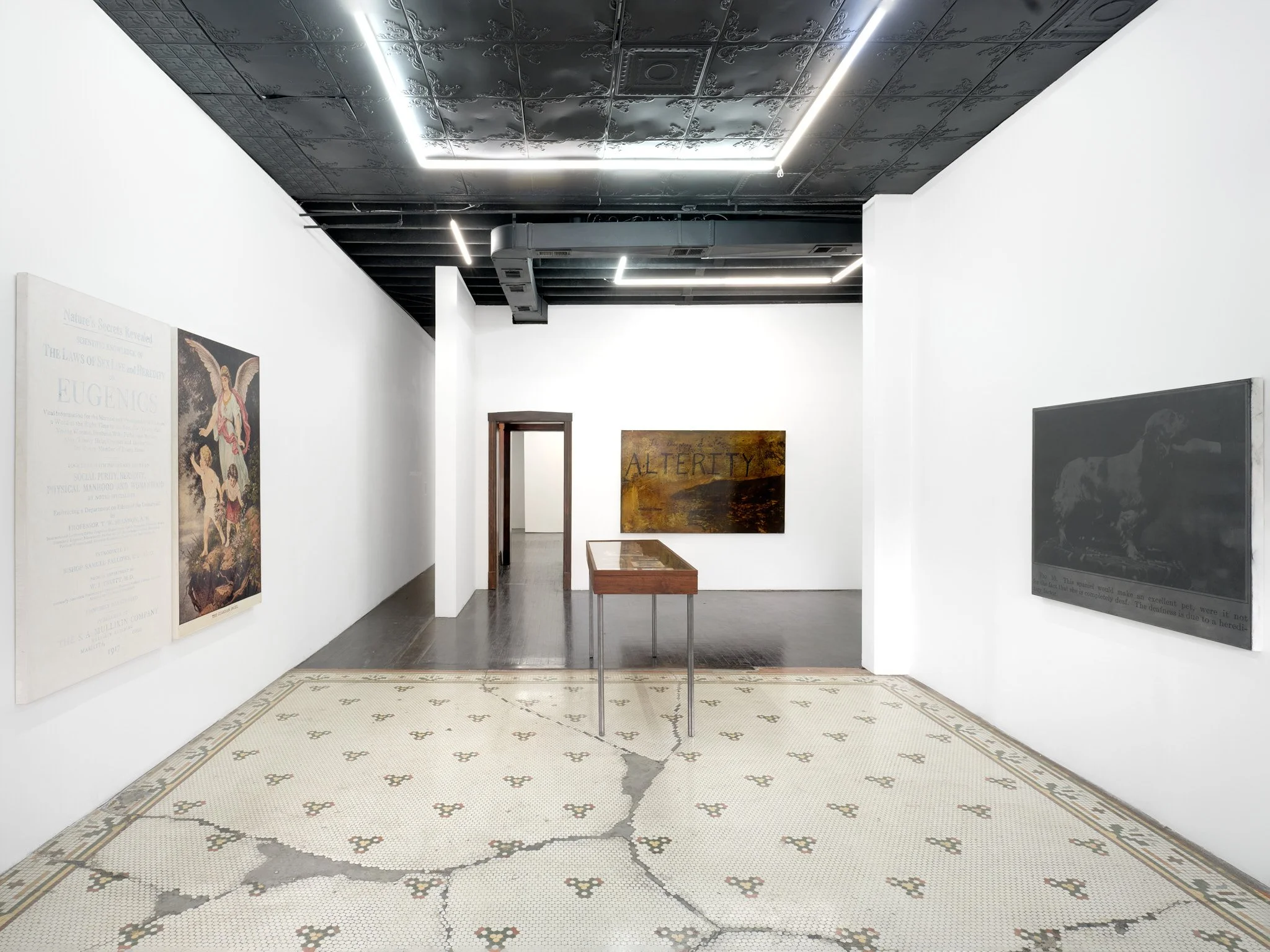
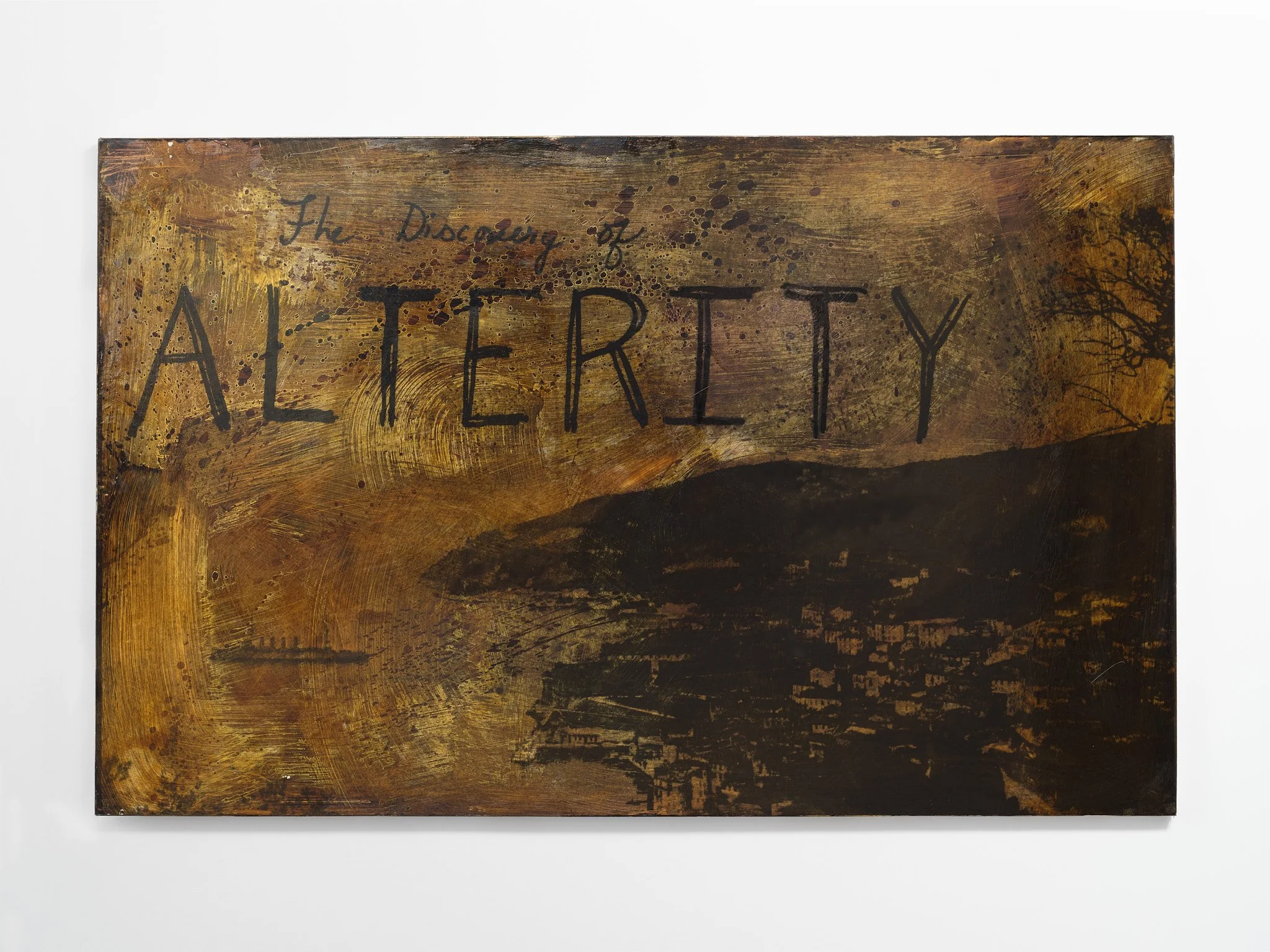
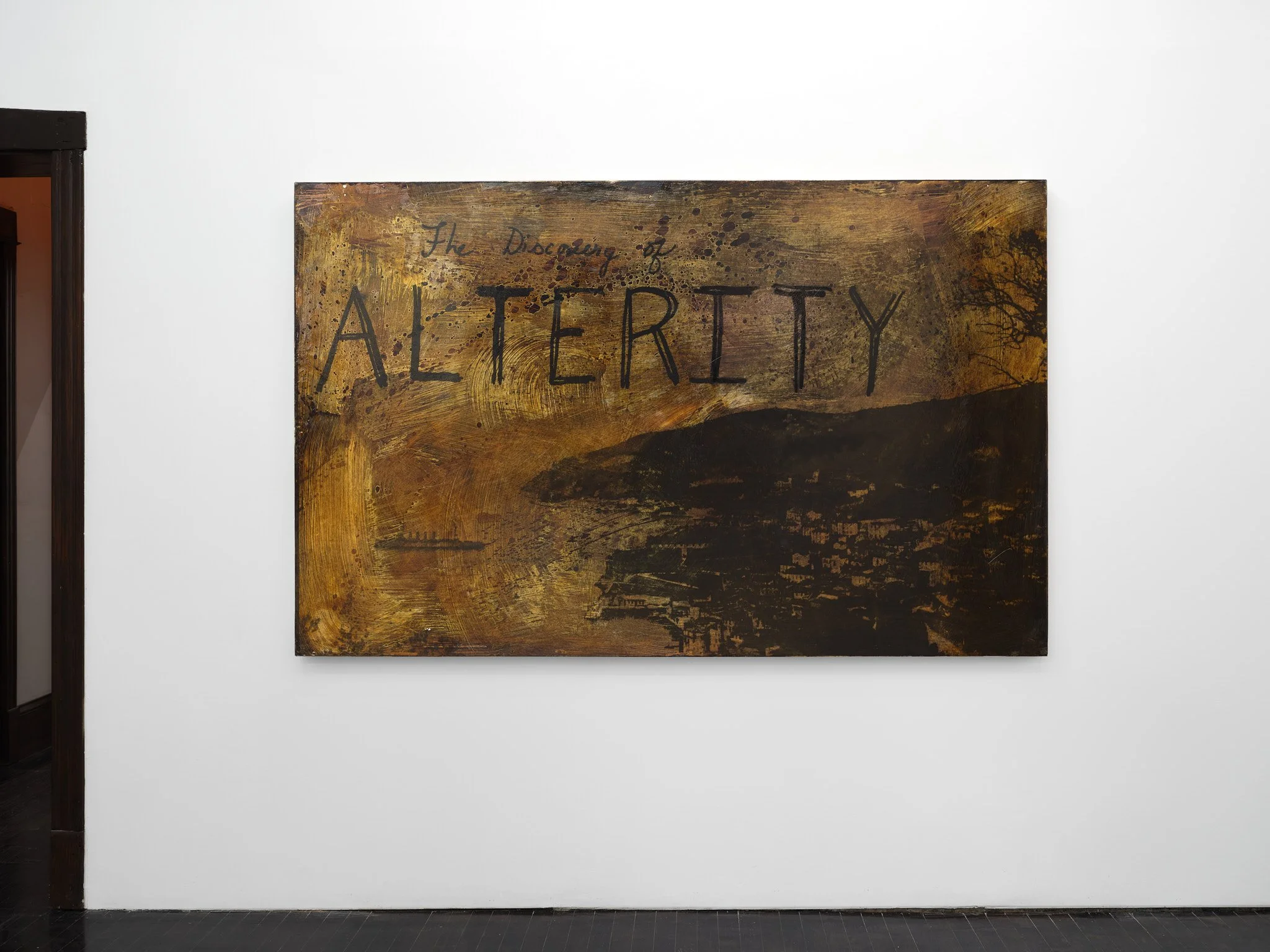
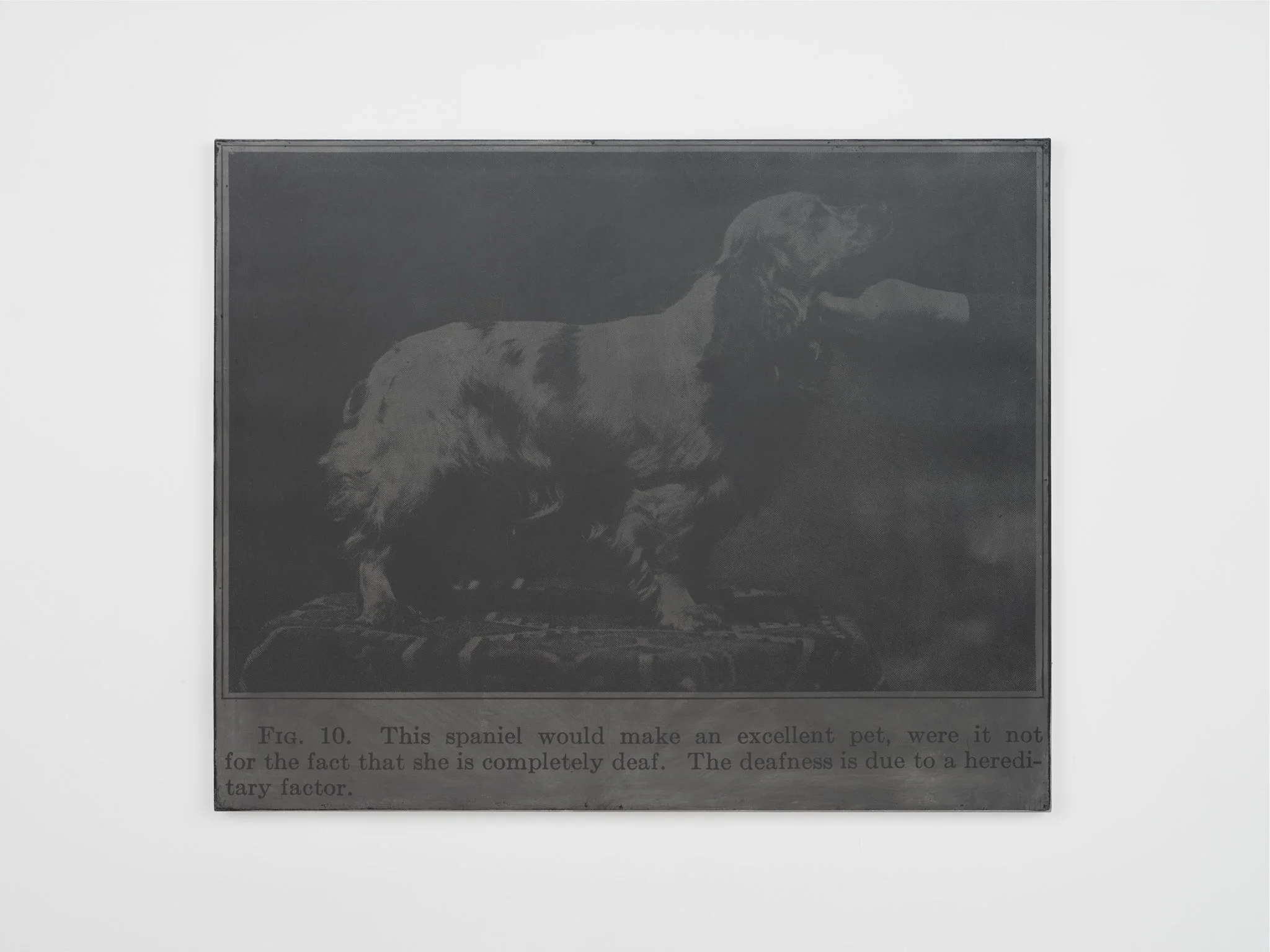
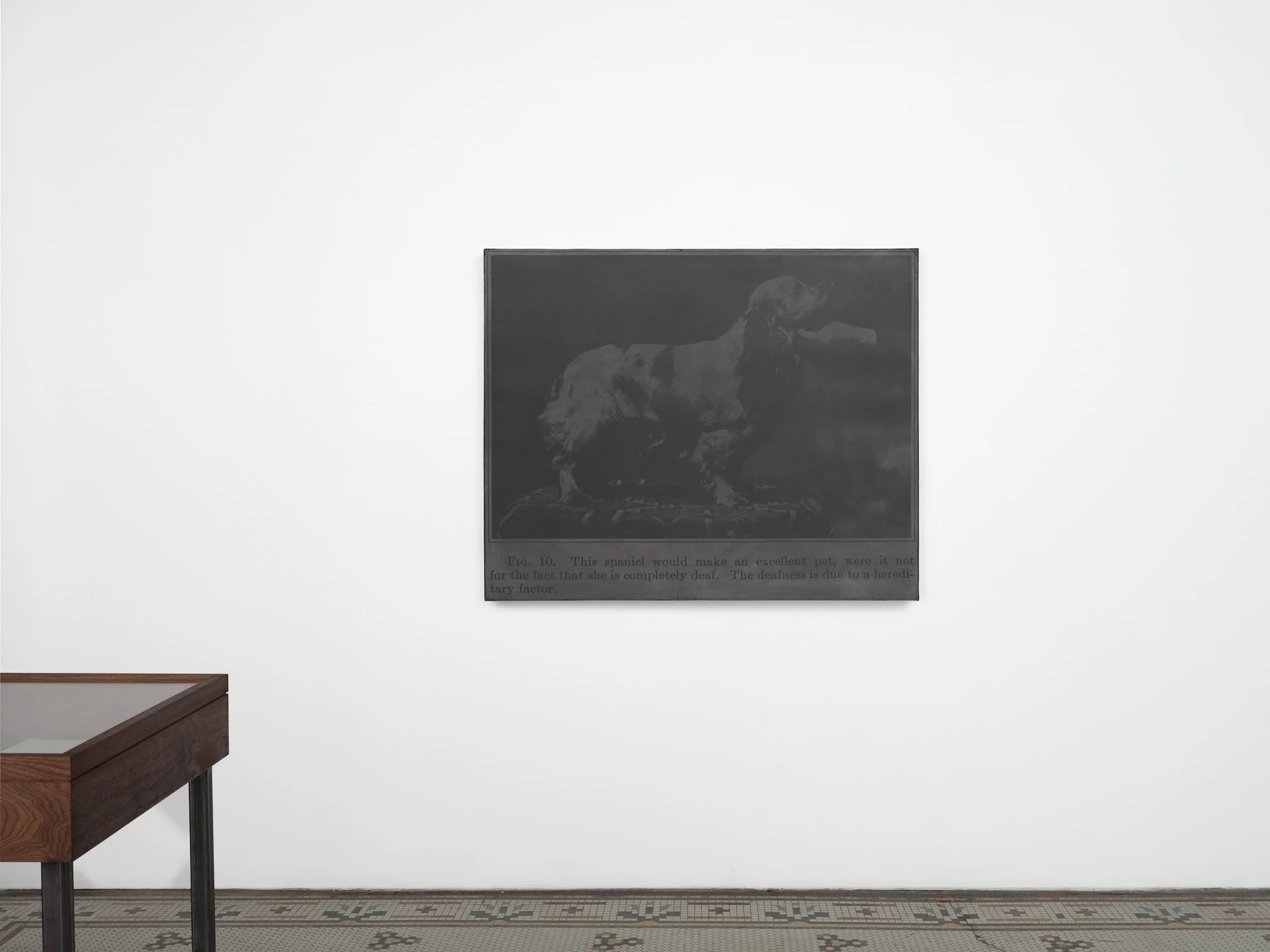
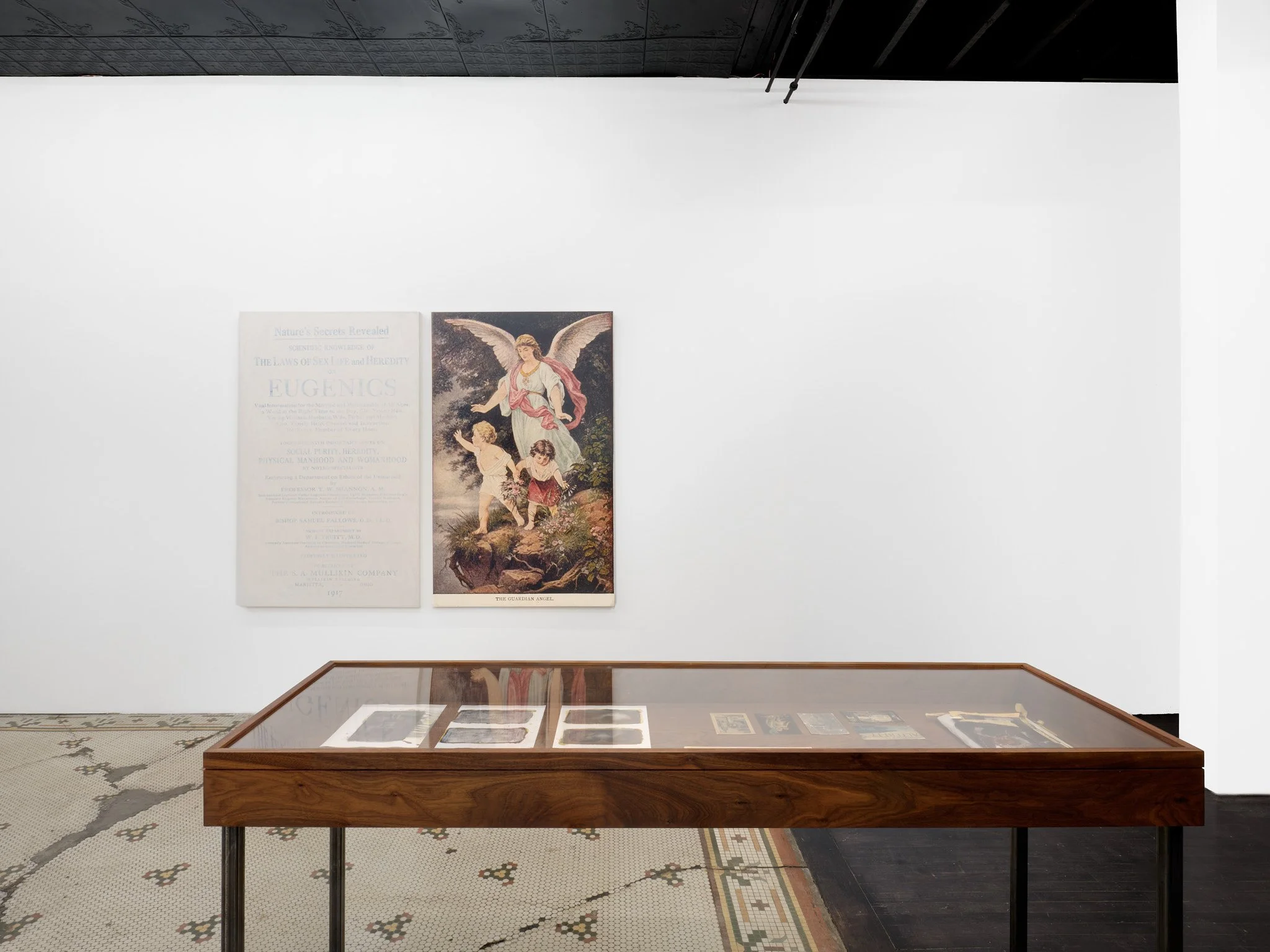
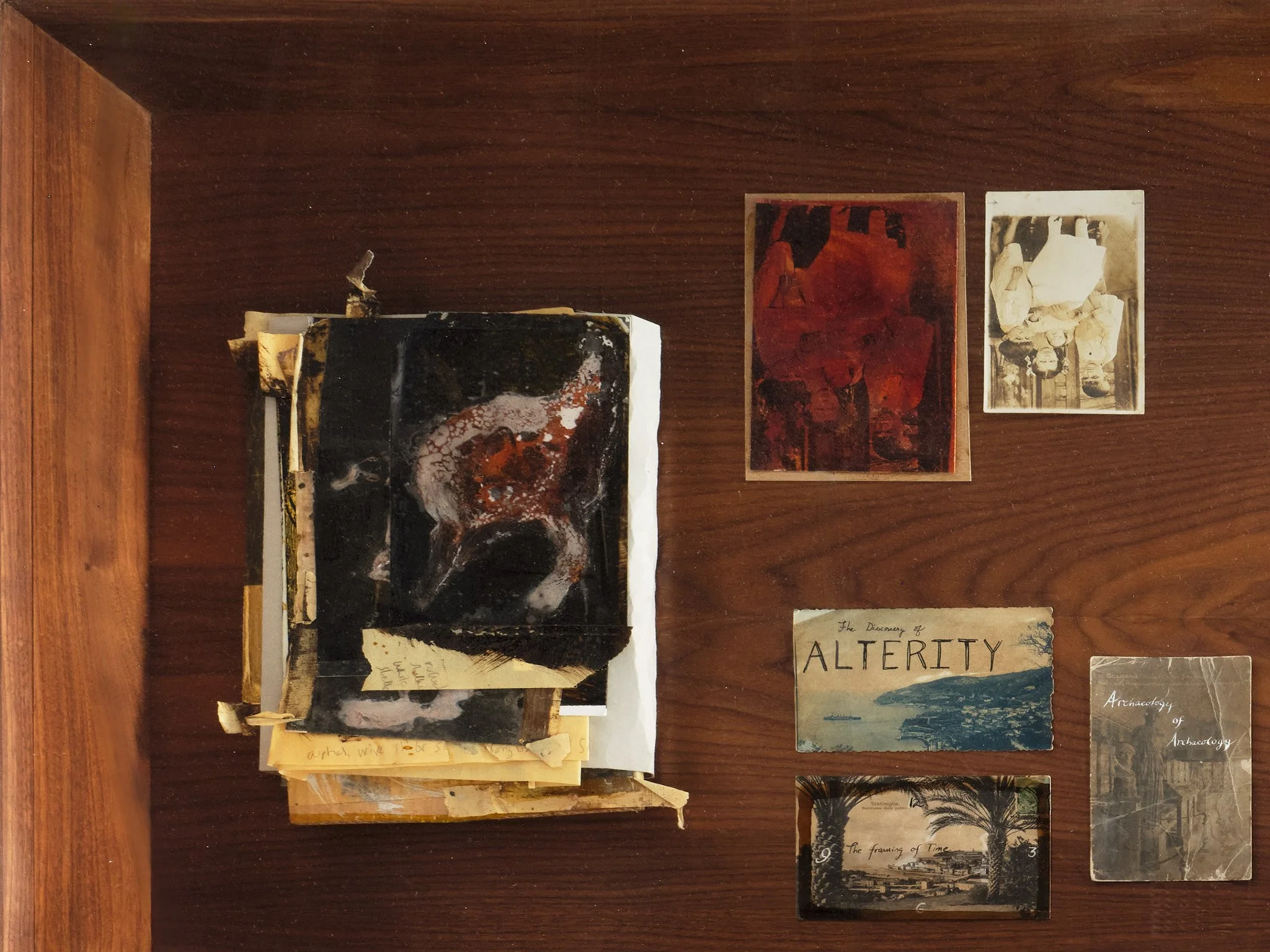
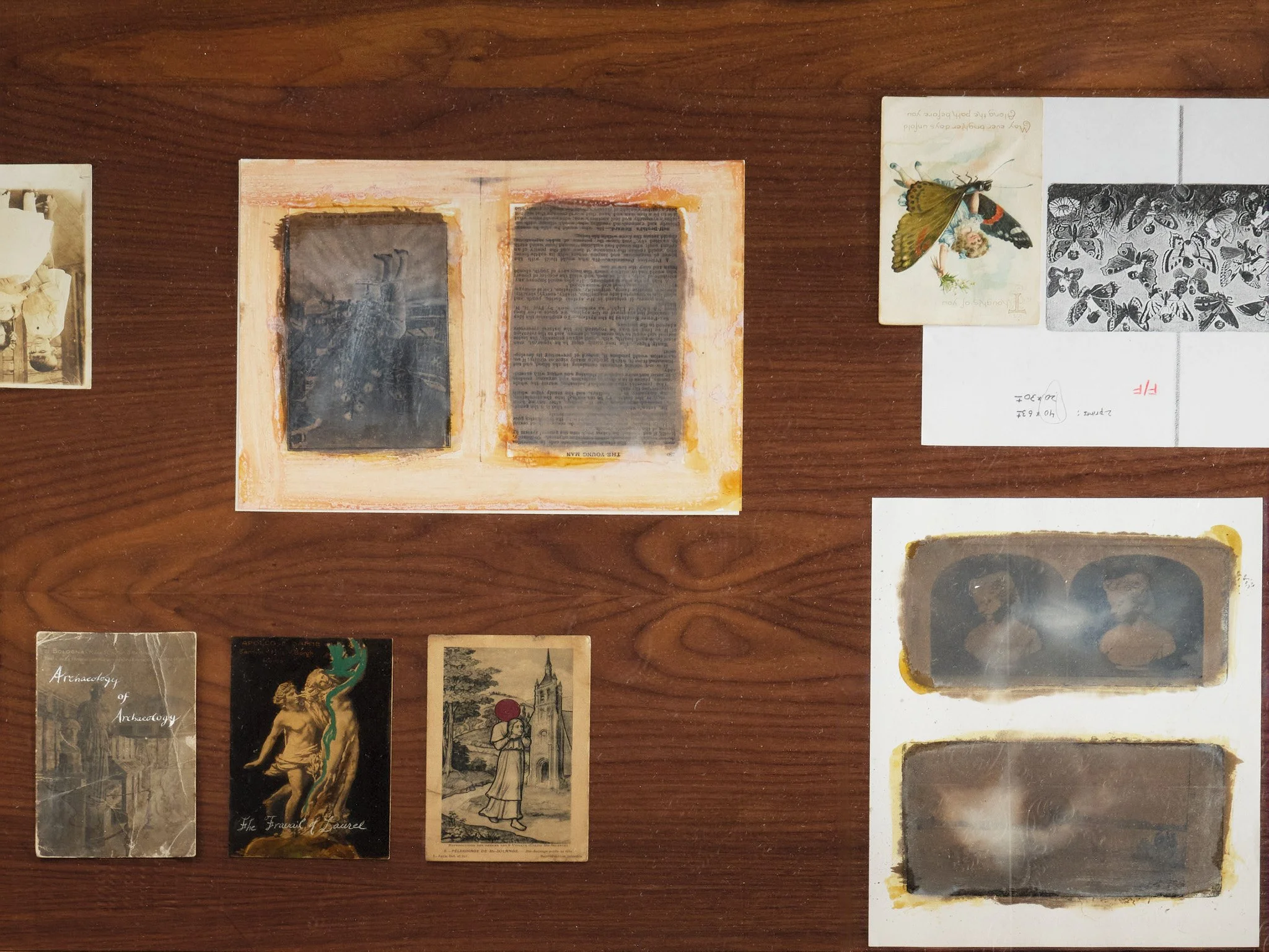
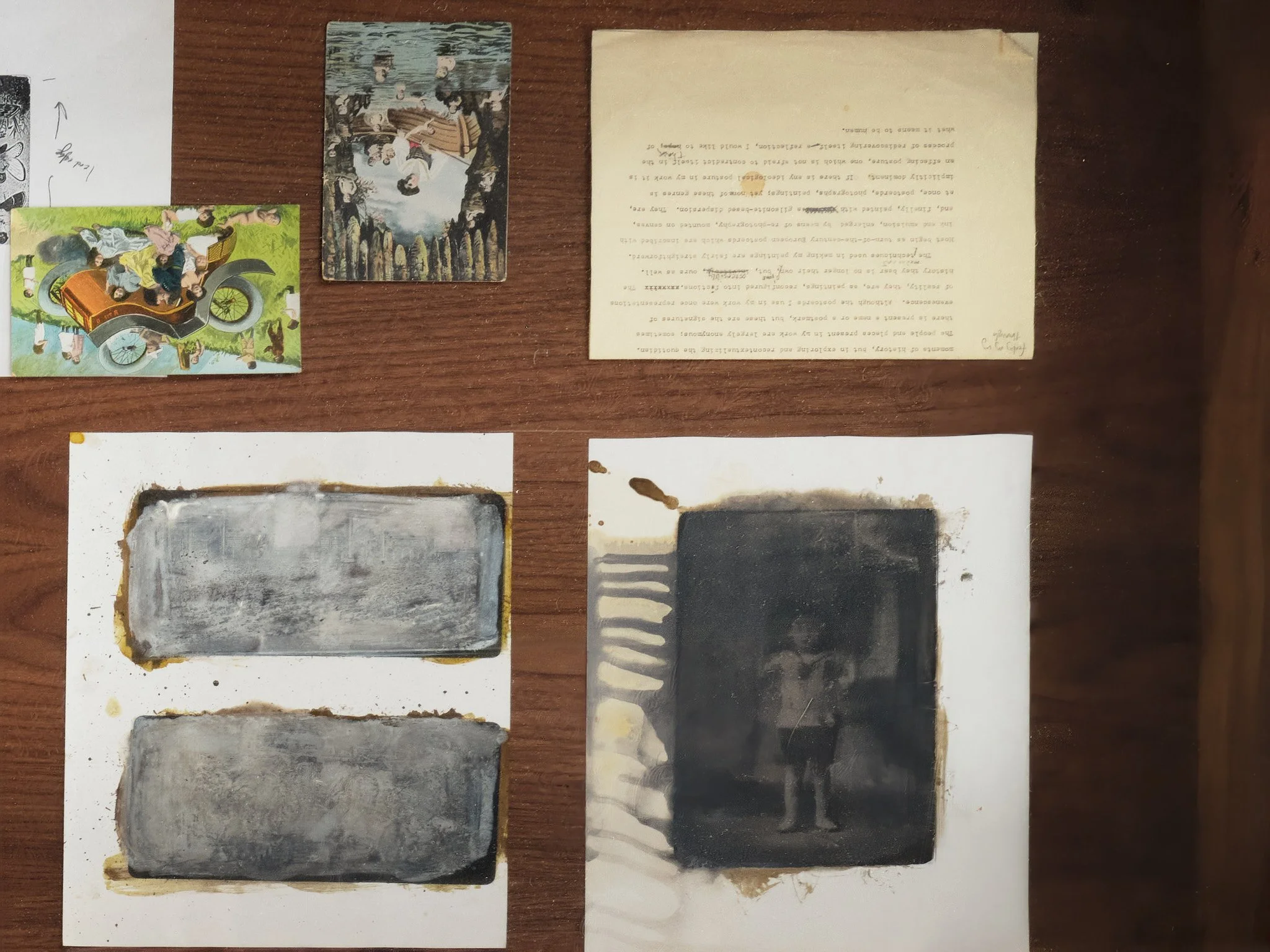
Grigely's dispersion paintings began in 1989, when he spent two months in France. In Bordeaux he found at the flea market French postcards from the 1920s-1930s, and reworked them with ink, oil paint, and a varnish-based dispersion. After returning to the USA, the postcards were re-photographed with an 8 x 10 view camera, then hand-printed as large scale photographs, and mounted on canvas. The surfaces were treated again with dispersions to obscure or otherwise inflect the images. The dispersions were made by suspending in an oil-based medium different pigments, including gilsonite, titanium dioxide, and graphite toner. The subject matter referenced the vicissitudes of the human condition, primarily disability and deafness. The 1980s were a period in which post-colonialism and body criticism were dominant subjects in literary criticism. Both came together in terms of colonizing the body, and subjecting it to normative metrics, with a goal of 'improving' bodies through genetic engineering. The dispersion paintings developed themes that challenged this way of thinking. This body of work was shown only once before, at Grigely's first solo exhibition, Body Signs: Deviance, Difference, and Eugenics, at Washington Project for the Arts in 1994.
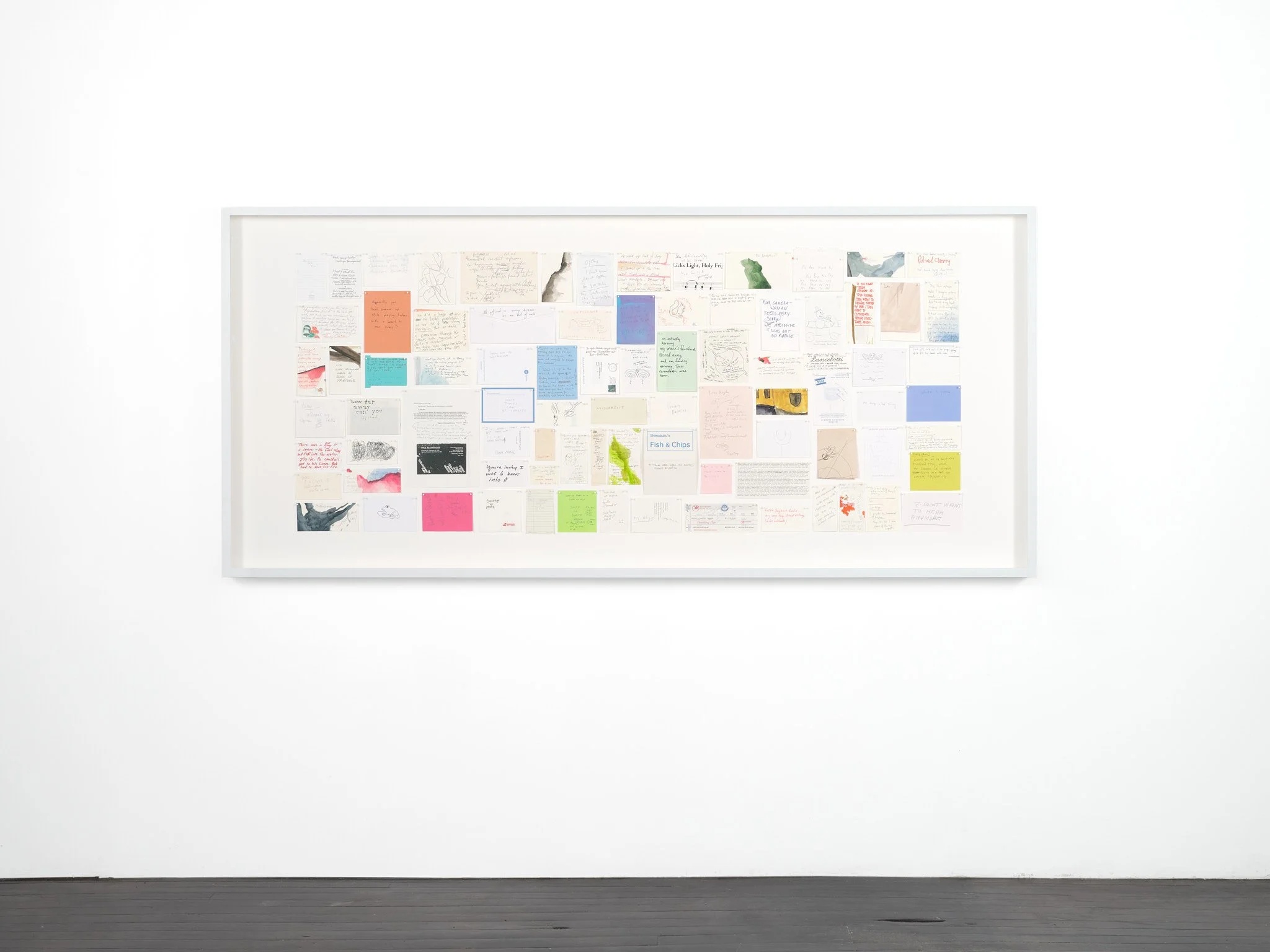
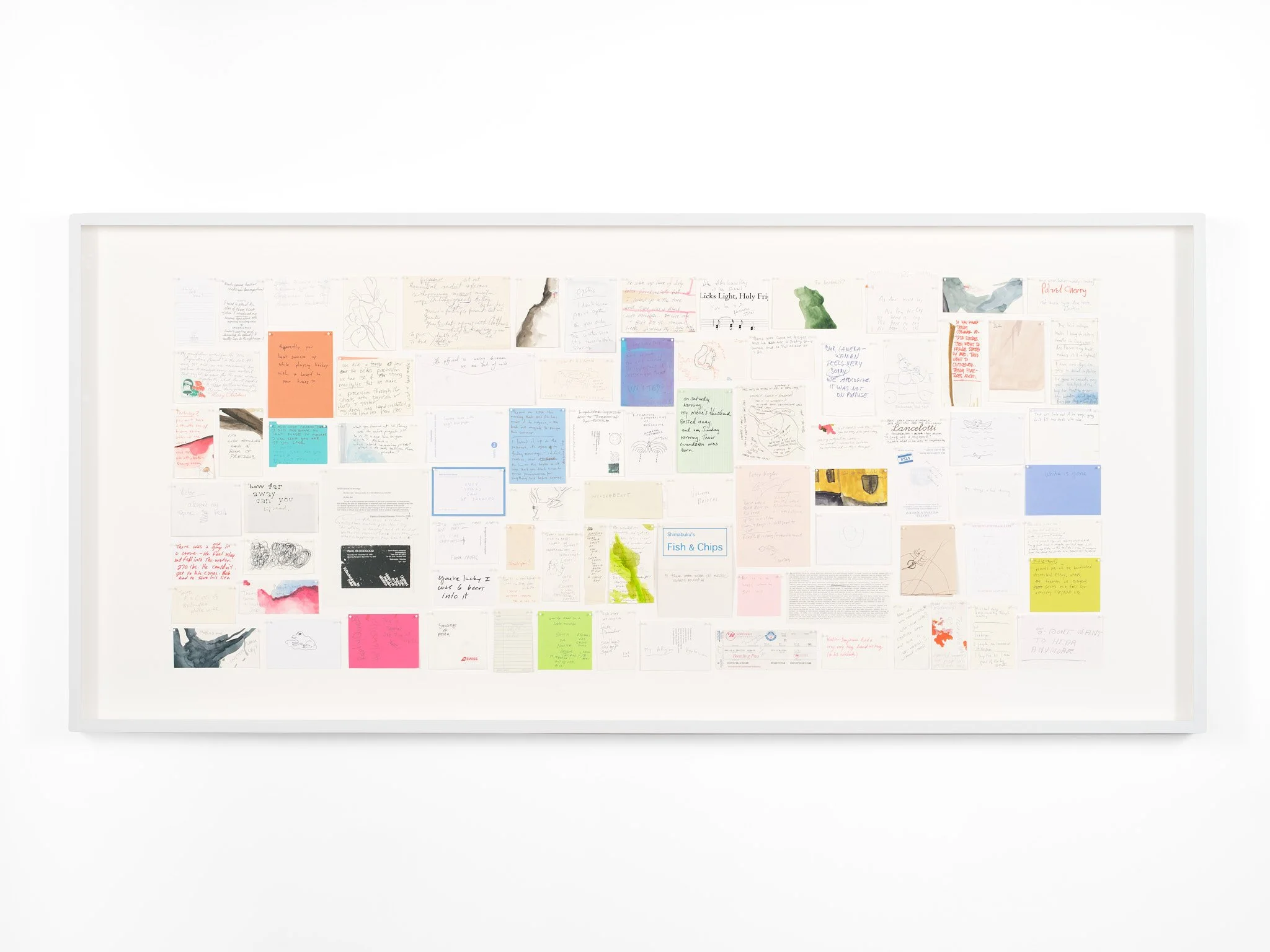
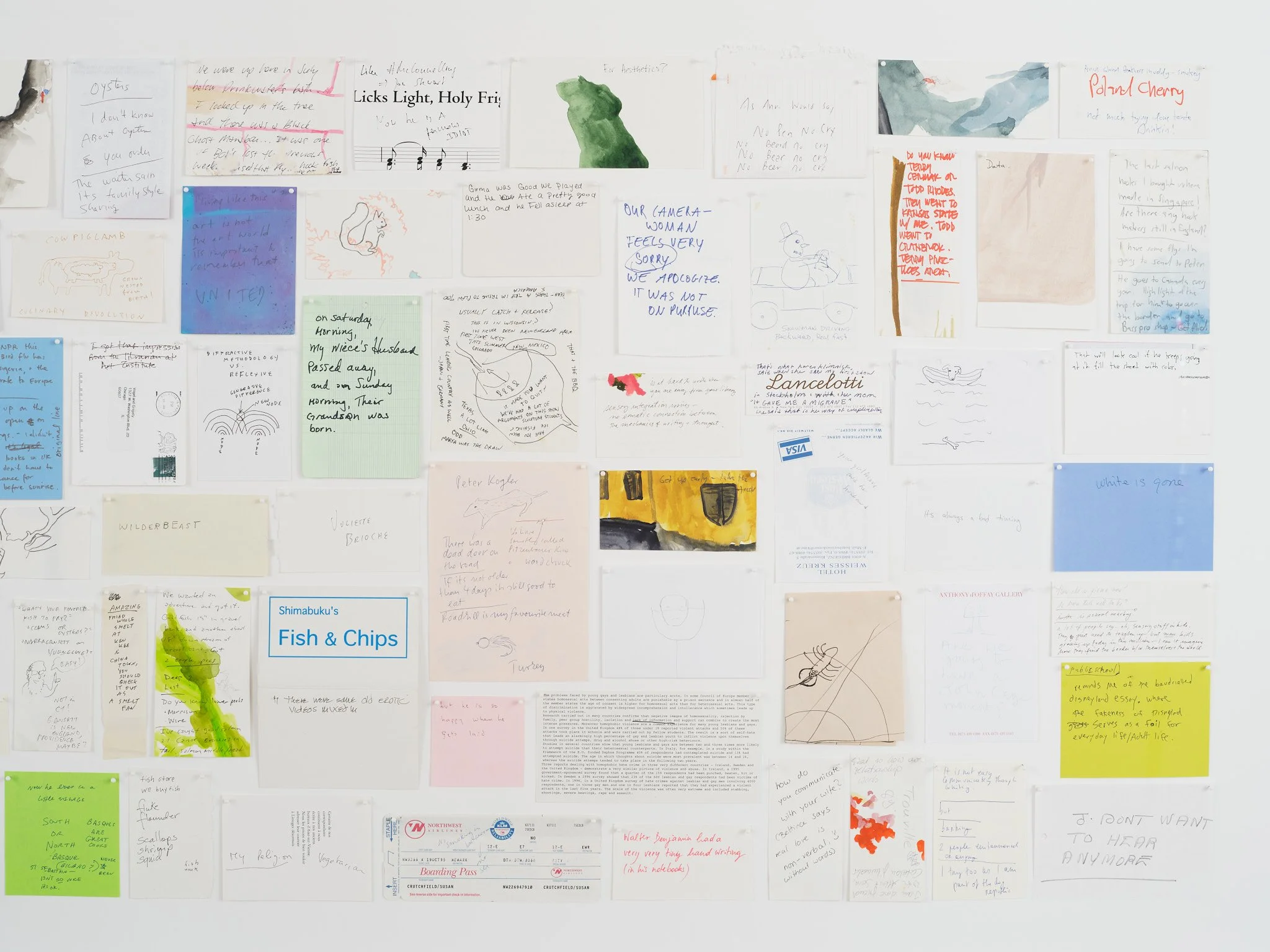
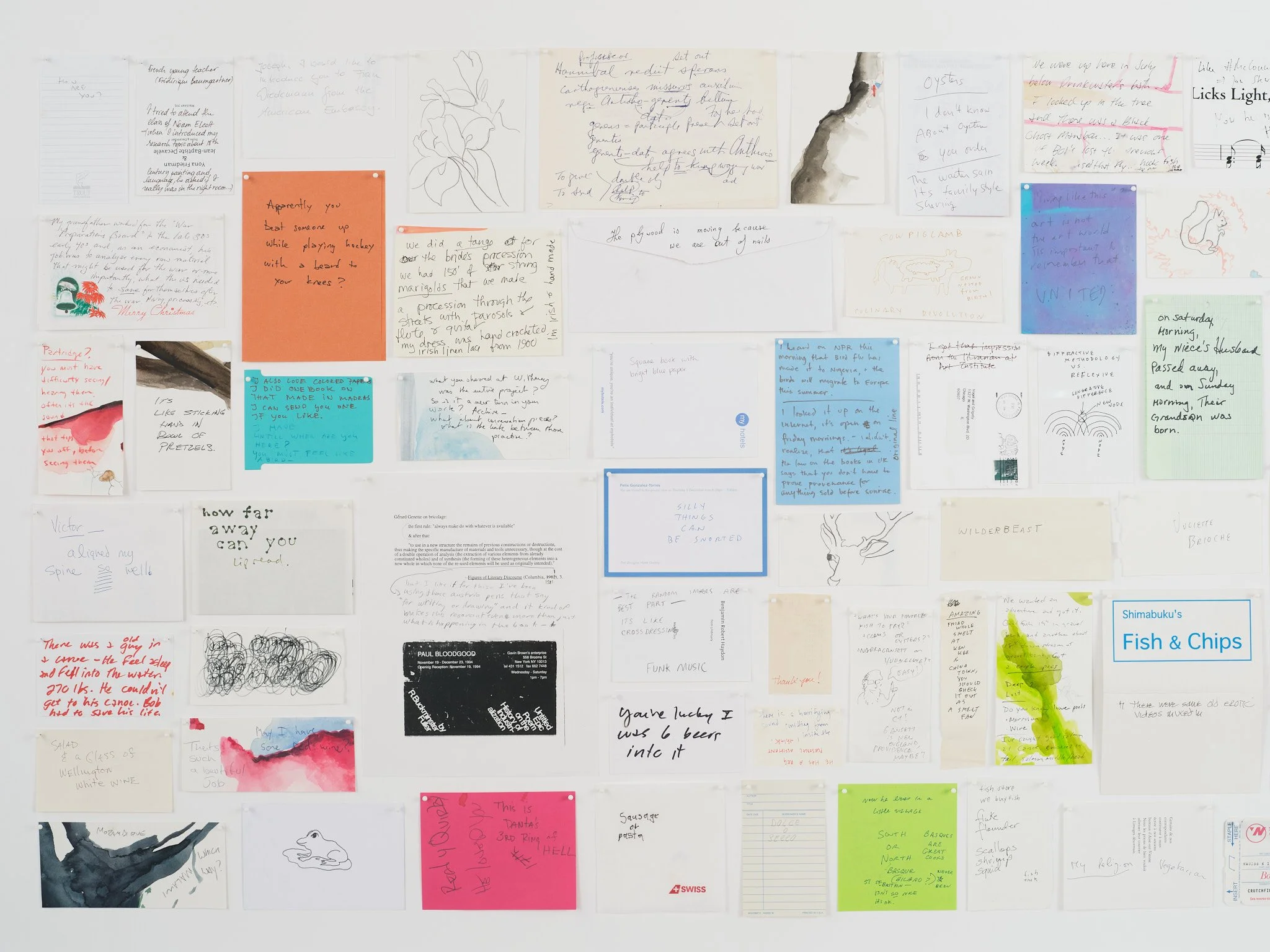
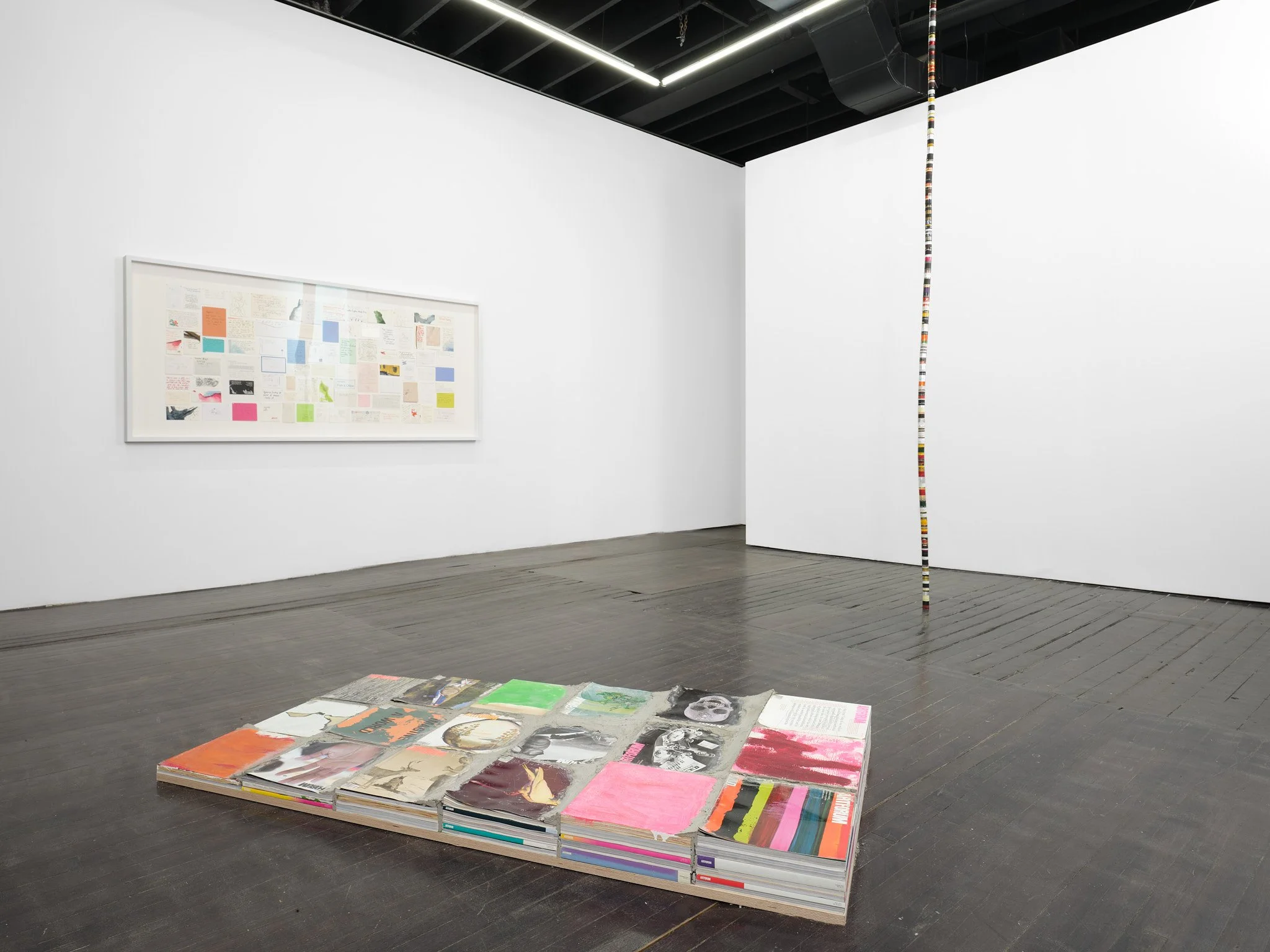
In his more recent work, Grigely explores the politics of disability and accessibility, and the ways the apparatuses of access might reshaped as art. The exhibition includes a large-scale "Conversation" work, formally composed of conversation notes and papers from when Grigely conversed with others—where the notepapers, at once a medium for access, become a medium for art. The installation also includes material and immaterial constructions where a legal contract and federal access lawsuit are rematerialized as creative acts.
Joseph Grigely (American, b. 1956 in East Longmeadow, Mass.) lives and works in Chicago. He has had solo exhibitions at the Whitney Museum of American Art, New York; Palais de Tokyo, Paris; the MCA, Chicago; the Douglas Hyde Gallery, Dublin; Serralves Foundation, Porto; and the Massachusetts Museum of Contemporary Art. He has also participated in the Whitney, Venice, Berlin, Istanbul, Liverpool, and Sydney Biennials. Grigely's books include Textualterity: Art, Theory, and Textual Criticism (1995), Conversation Pieces (1998), Exhibition Prosthetics (2010), Oceans of Love: The Uncontainable Gregory Battcock (2016), Acknowledgments (2024), and Otherhow: Essays and Documents on Art and Disability, 1985-2024 (2025). He has a D.Phil. from Oxford University and is Professor of Visual & Critical Studies at the School of the Art Institute of Chicago.
Photography: Brendan Jaks
Joseph Grigely
Monologue of A Deaf Man
September 12th - October 24th 2026
—————
But did the brushless fox die of eloquence?
No, but talked himself, it seems, into a tale.
The injury, dominated, is an asset;
It is there for domination, that is all.
Else what must faith do deserted by mountains?
—David Wright, "Monologue of a Deaf Man" in Monologue of a Deaf Man, 1958
We make reports for a space.
It rains: we are sad. The sun
Shines: we are happy. Some
Times we shut down: get drunk.
— David Wright, "Nerve Ends" in Nerve Ends, 1969
To get back to art. Panegyric, it celebrates
The existence of things. Remember Helen Keller
Living in a mute vague, an environment of touch,
Texture transfigured into sound, smell into colour;
Who from a disablement of perception created
Forms of the real, images valid and strange,
Interpreters of void and of silence, hinges
Between what was and what seemed.
— David Wright, "On the Margin" in Nerve Ends, 1969
About deafness I know everything and nothing....
If vocation means anything, I suppose myself a poet.
Whether I am that is disputable, but the deafness remains a fact.
— David Wright, Deafness: A Personal Account, 1969
—————
Exhibition Image Descriptions
M. LeBlanc is proud to present Monologue of a Deaf Man, the gallery’s first exhibition with Chicago artist Joseph Grigely, and his first solo gallery show in Chicago since 2004. Grigely's exhibition consists of two bodies of work separated by the space of over 30 years: early dispersion paintings from the late 1980s and more recent conceptual work related to the politics of disability and difference.
The framework for Grigely's thinking about working as a deaf artist was mapped by the deaf South African poet David Wright, who Grigely met while at Oxford in the early 1980s. At this time Wright had an international reputation as poet, essayist, anthologist, and translator, however largely kept to himself, rarely appearing in the public (he did not know sign language, which was forbidden in British schools where he studied). Grigely persuaded Wright to revisit Oxford for a poetry reading alongside the Deaf poet Dorothy Miles, who was born in Wales, educated in America, and had been a member of the National Theatre of the Deaf. The event stayed with Grigely as a profound realization that there are different ways of being deaf, and different ways of making art out of these experiences.
Grigely's dispersion paintings began in 1989, when he spent two months in France. In Bordeaux he found at the flea market French postcards from the 1920s-1930s, and reworked them with ink, oil paint, and a varnish-based dispersion. After returning to the USA, the postcards were re-photographed with an 8 x 10 view camera, then hand-printed as large scale photographs, and mounted on canvas. The surfaces were treated again with dispersions to obscure or otherwise inflect the images. The dispersions were made by suspending in an oil-based medium different pigments, including gilsonite, titanium dioxide, and graphite toner. The subject matter referenced the vicissitudes of the human condition, primarily disability and deafness. The 1980s were a period in which post-colonialism and body criticism were dominant subjects in literary criticism. Both came together in terms of colonizing the body, and subjecting it to normative metrics, with a goal of 'improving' bodies through genetic engineering. The dispersion paintings developed themes that challenged this way of thinking. This body of work was shown only once before, at Grigely's first solo exhibition, Body Signs: Deviance, Difference, and Eugenics, at Washington Project for the Arts in 1994.
In his more recent work, Grigely explores the politics of disability and accessibility, and the ways the apparatuses of access might reshaped as art. The exhibition includes a large-scale "Conversation" work, formally composed of conversation notes and papers from when Grigely conversed with others—where the notepapers, at once a medium for access, become a medium for art. The installation also includes material and immaterial constructions where a legal contract and federal access lawsuit are rematerialized as creative acts.
Joseph Grigely (American, b. 1956 in East Longmeadow, Mass.) lives and works in Chicago. He has had solo exhibitions at the Whitney Museum of American Art, New York; Palais de Tokyo, Paris; the MCA, Chicago; the Douglas Hyde Gallery, Dublin; Serralves Foundation, Porto; and the Massachusetts Museum of Contemporary Art. He has also participated in the Whitney, Venice, Berlin, Istanbul, Liverpool, and Sydney Biennials. Grigely's books include Textualterity: Art, Theory, and Textual Criticism (1995), Conversation Pieces (1998), Exhibition Prosthetics (2010), Oceans of Love: The Uncontainable Gregory Battcock (2016), Acknowledgments (2024), and Otherhow: Essays and Documents on Art and Disability, 1985-2024 (2025). He has a D.Phil. from Oxford University and is Professor of Visual & Critical Studies at the School of the Art Institute of Chicago.
Photography: Brendan Jaks
Nature's Secrets Revealed, 1992
dispersion on photographs, mounted on canvas
66 x 80 in. (168 x 203 cm)
The Discovery of Alterity, 1990
gilsonite dispersion on photograph, mounted on canvas
52 x 82½ in. (132 x 209 cm)
Deaf Spaniel, 1991
graphite dispersion on photograph, mounted on canvas
40 x 50 in. (101.60 x 127.00 cm)
Dispersion Studies, 1989-1990
Dispersion Studies, 1989-1990
Dispersion Studies, 1989-1990
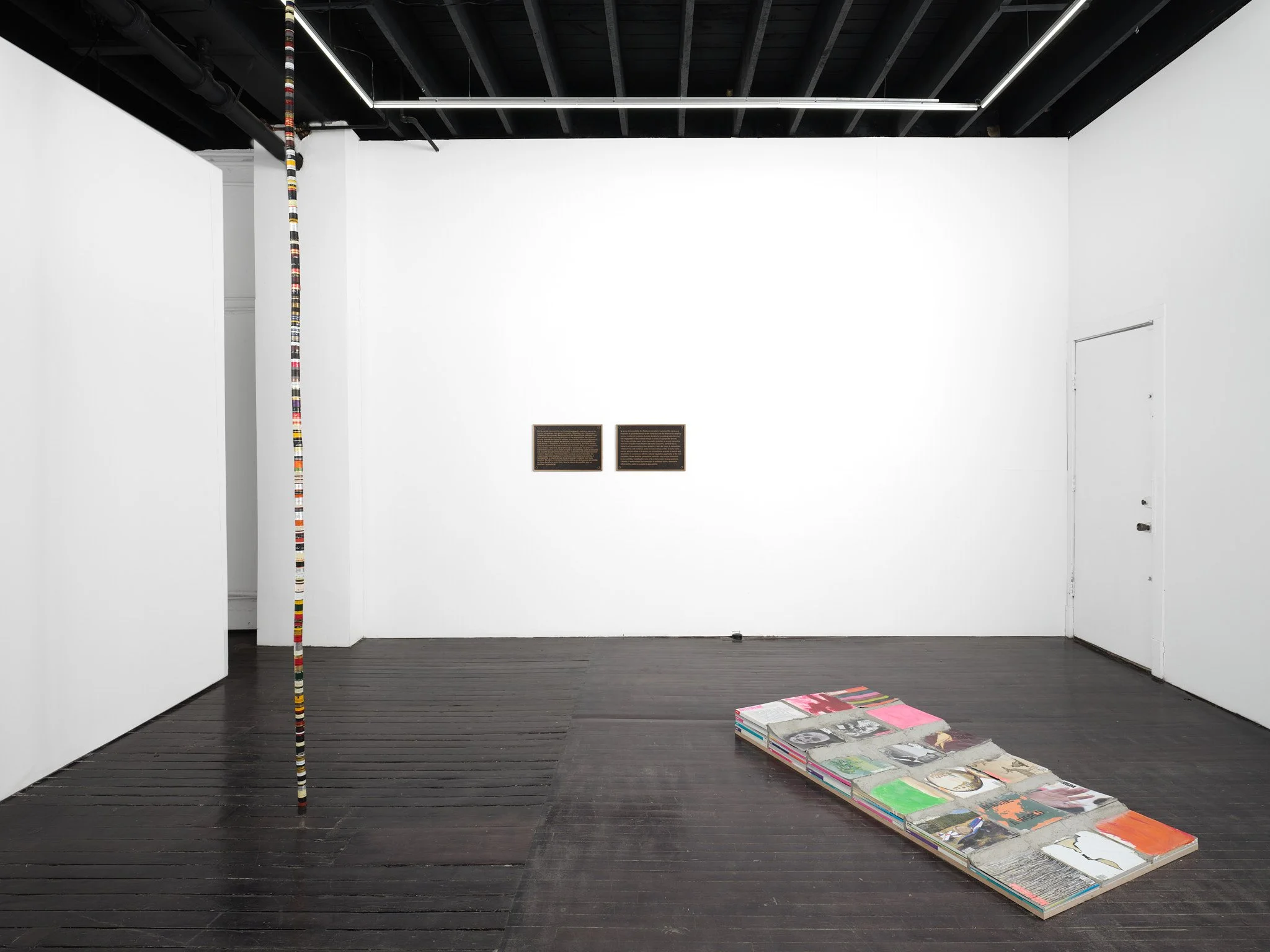
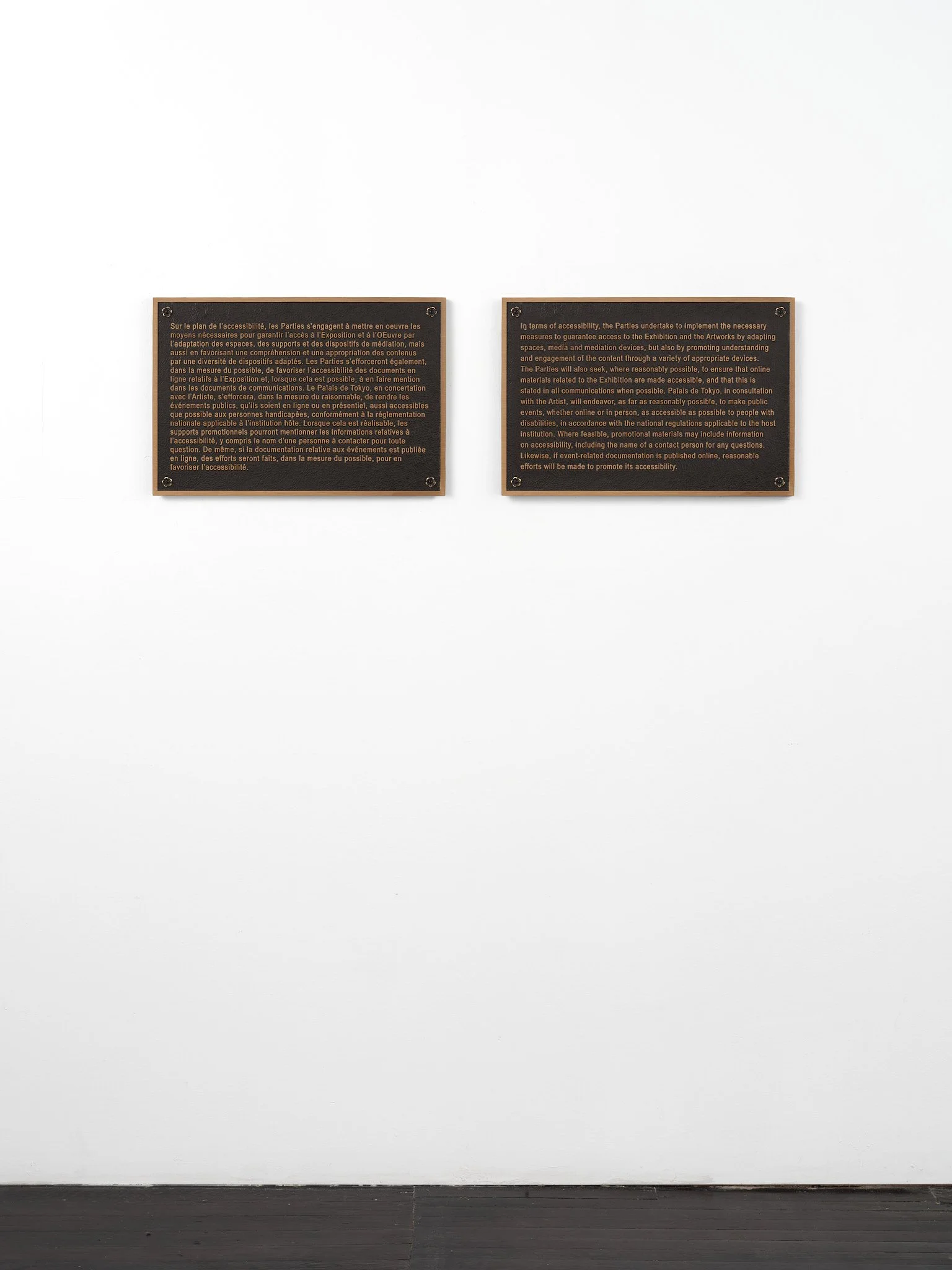
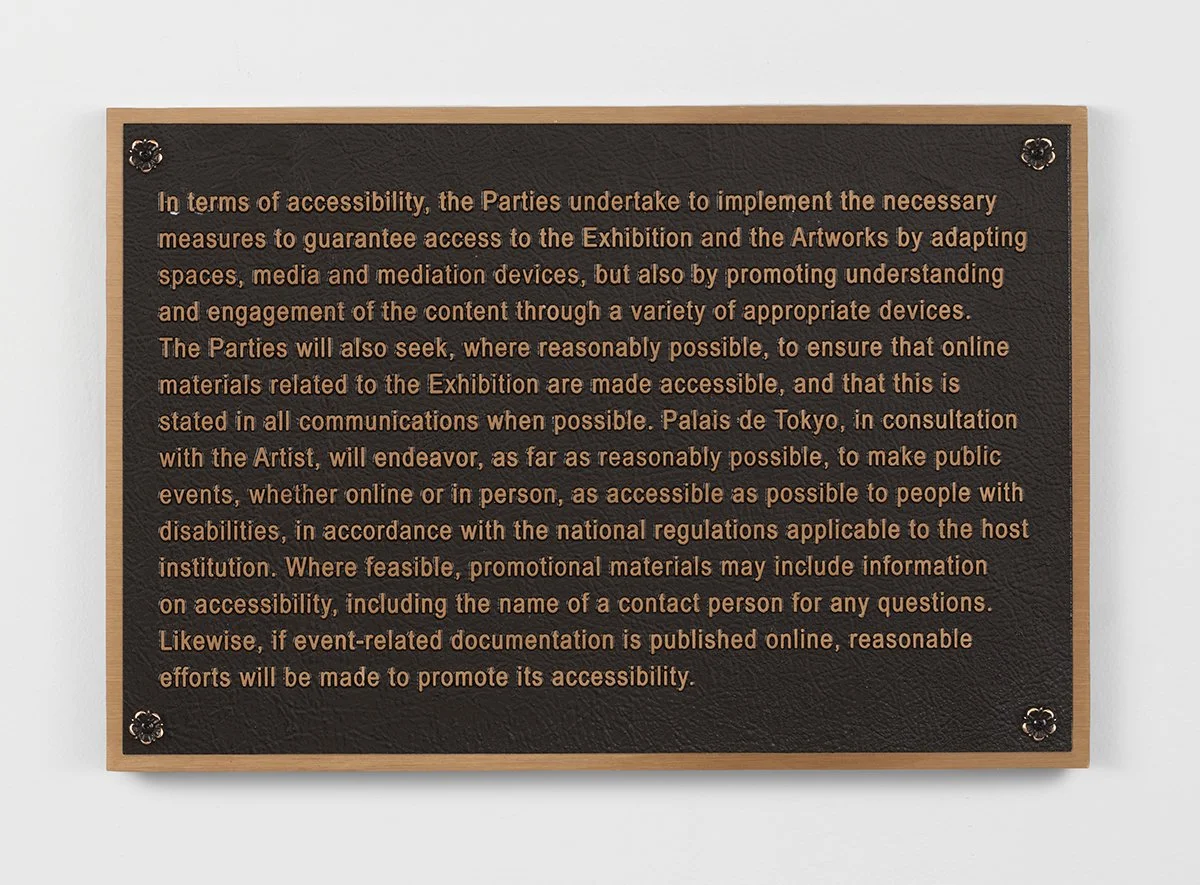
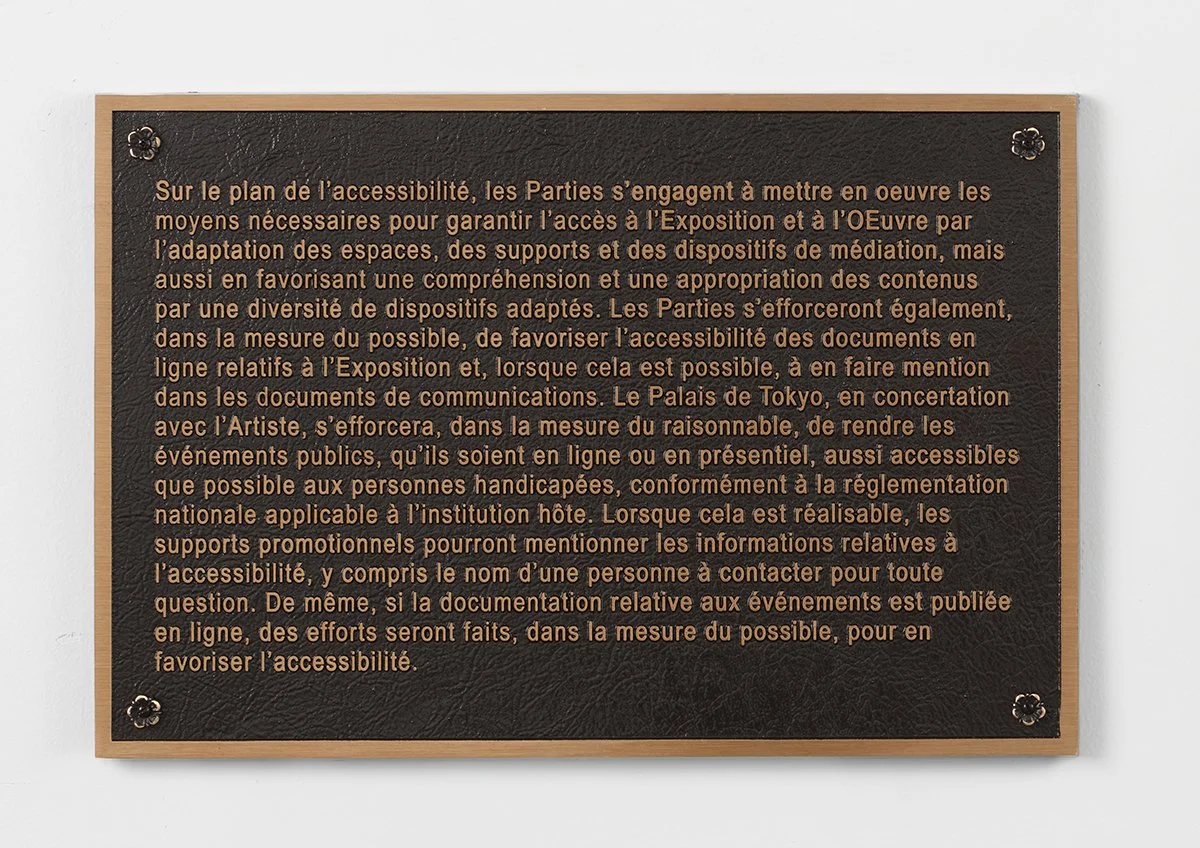
Words Worth Their Weight In Bronze, 2026
cast bronze, ed. 2/3
13½ x 20 in. (34 × 51 cm)
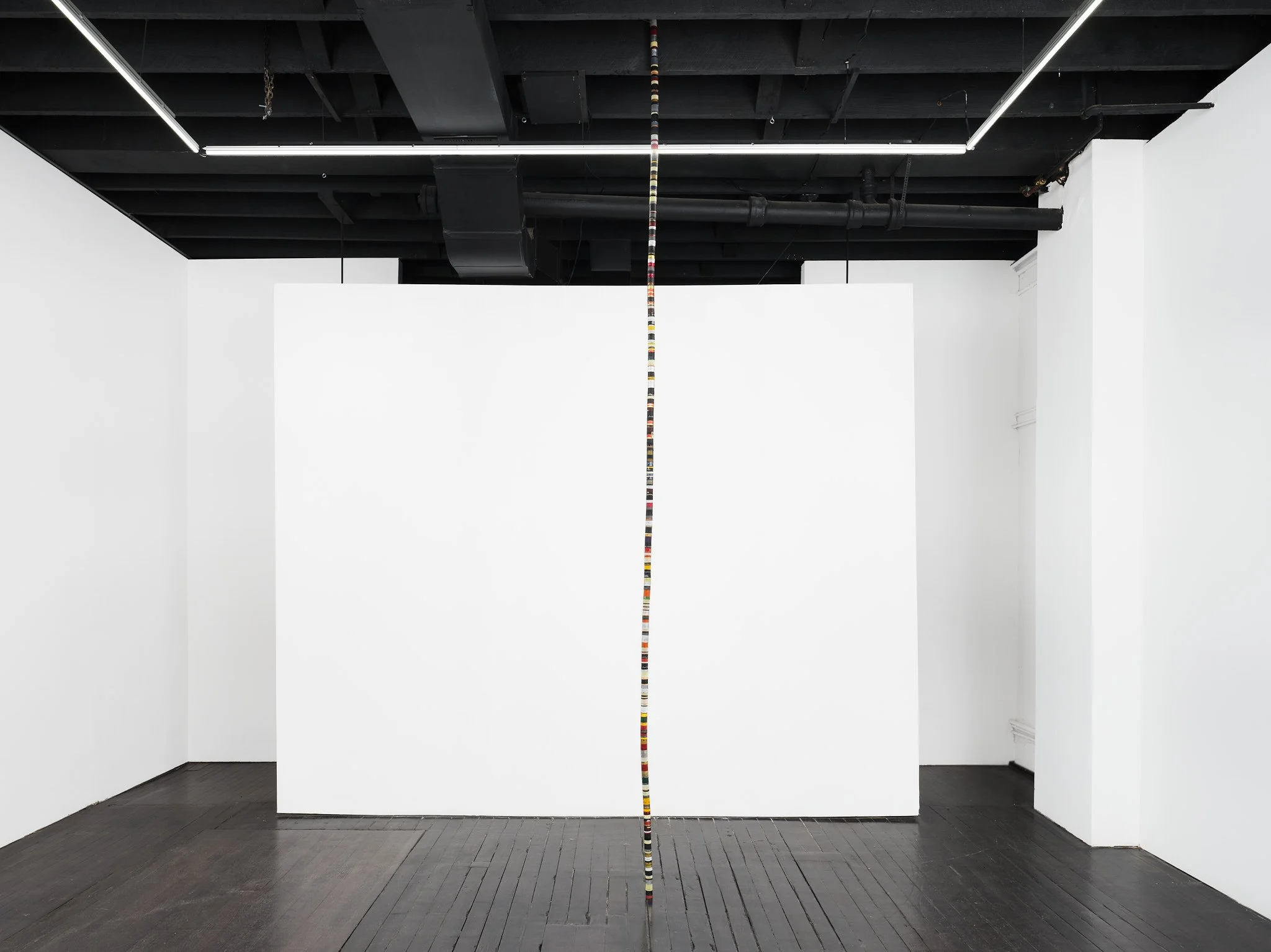
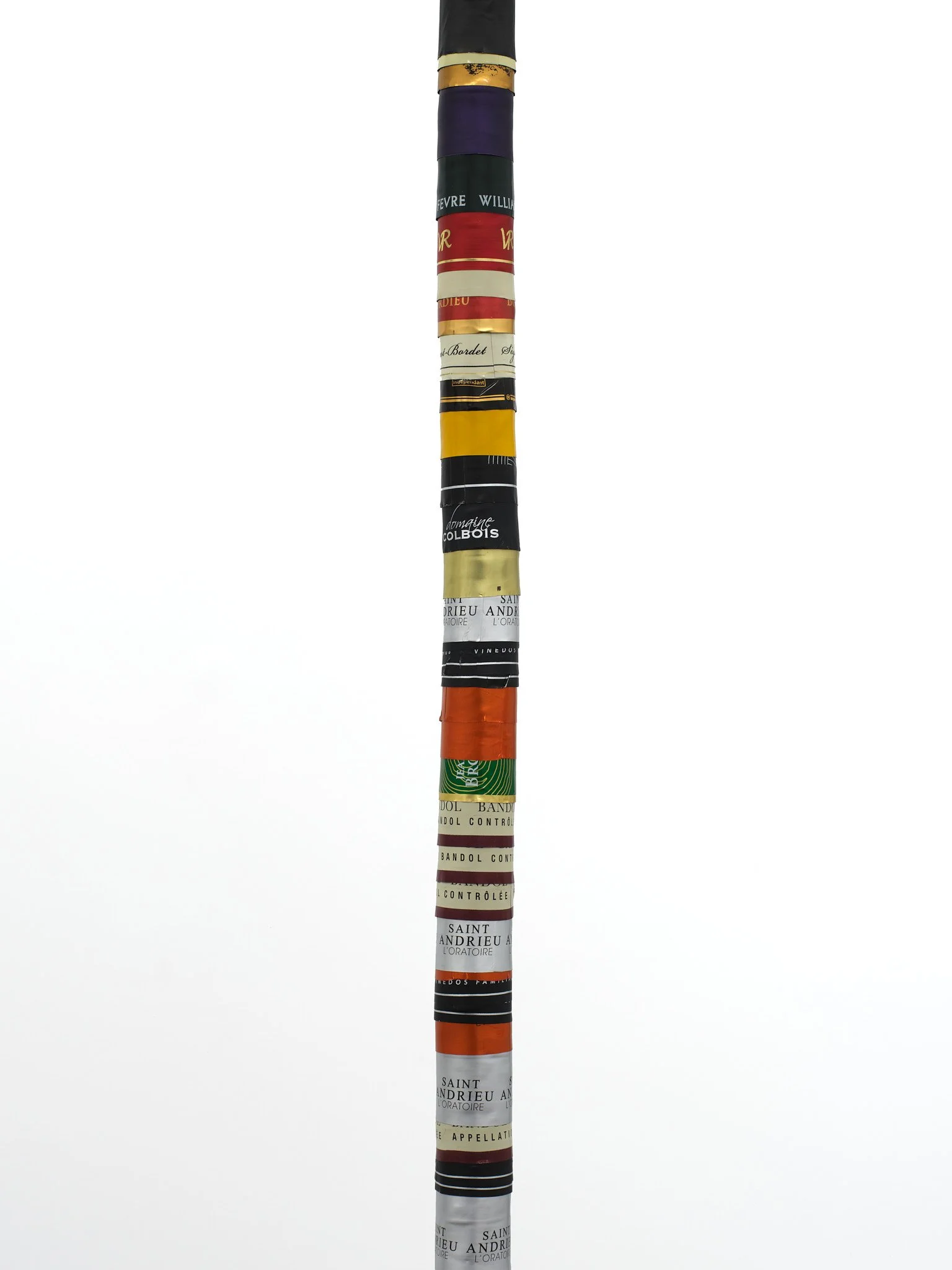
What Stress Amounts To, 2023
wine bottle capsules, cord
152 x 1¼ x 1¼ in. (386 x 3 x 3 cm)
I Don't Want to Hear Any More, 2026
ink and pencil on paper, pins
31 x 74 in. (79 × 188 cm)
41 x 90 in. (104 × 229 cm) (framed)
Obstacle Course , 2026
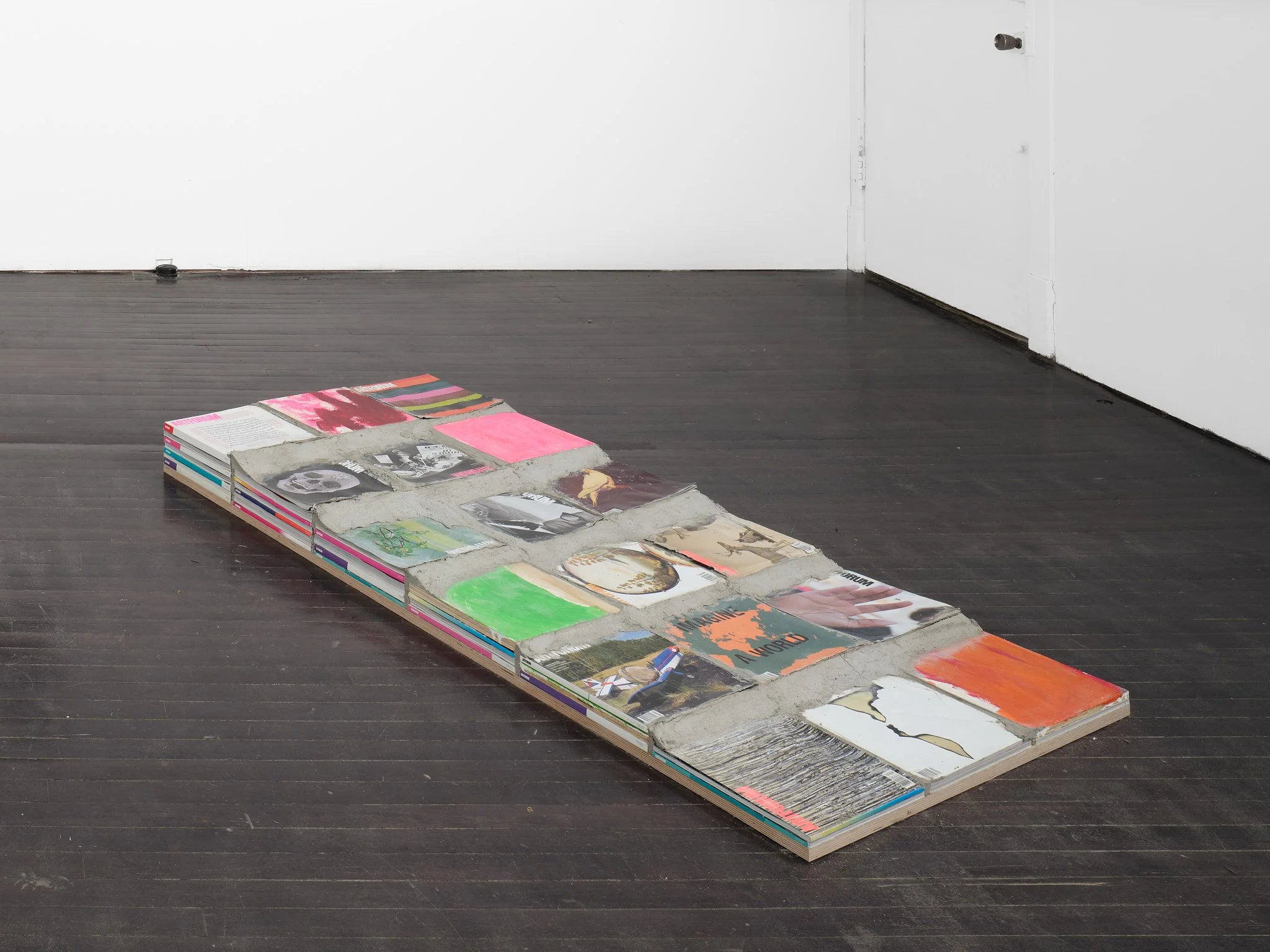
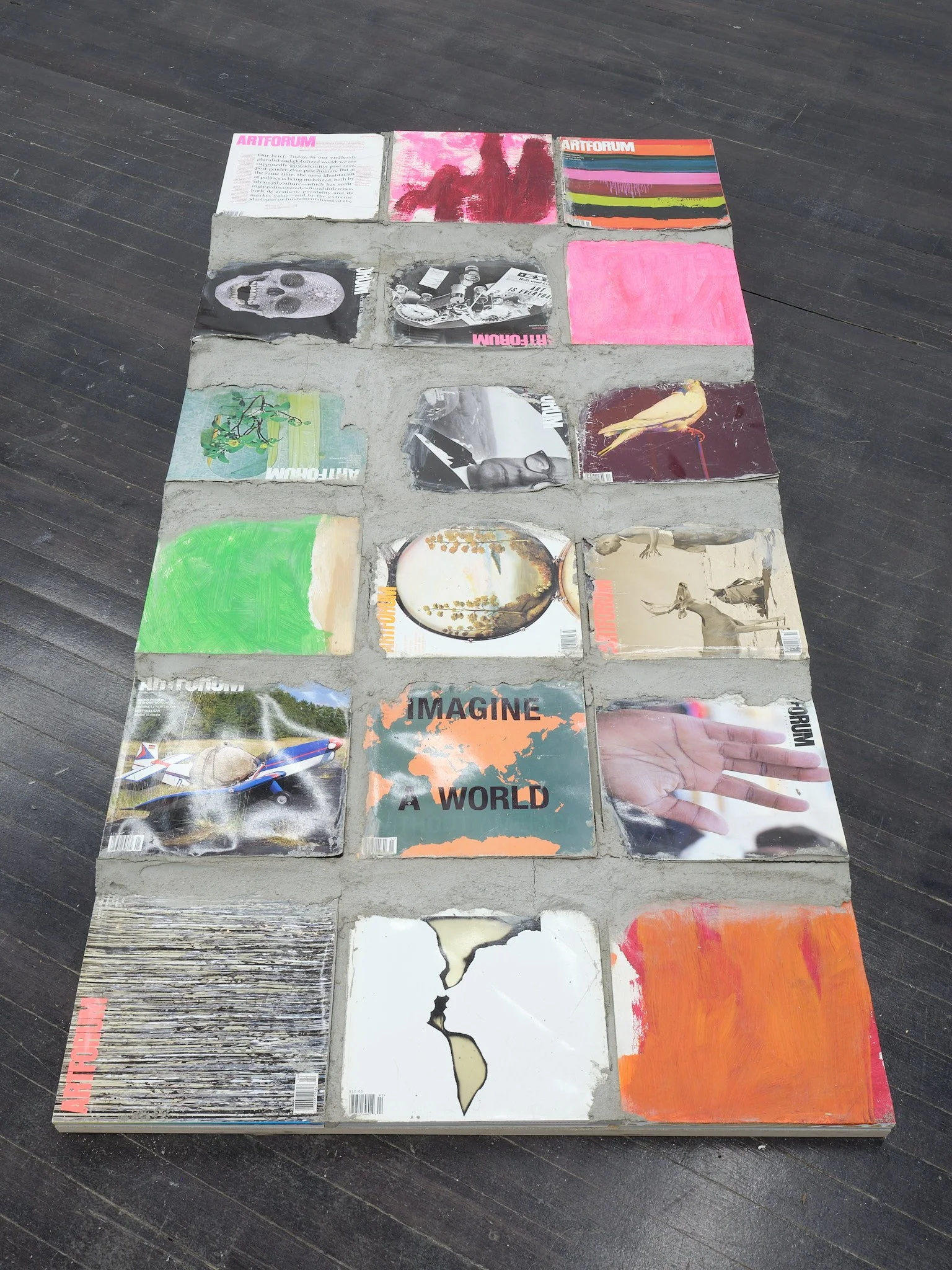
Artforum magazines, painted plywood, and concrete, ed. 1/3
65 x 32½ x 6 in. (165 × 83 x 15 cm)
USA v Gramercy Park Hotel , 1996-2011
lawsuit and consent decree
Quisque iaculis facilisis lacinia. Mauris euismod pellentesque tellus sit amet mollis.